
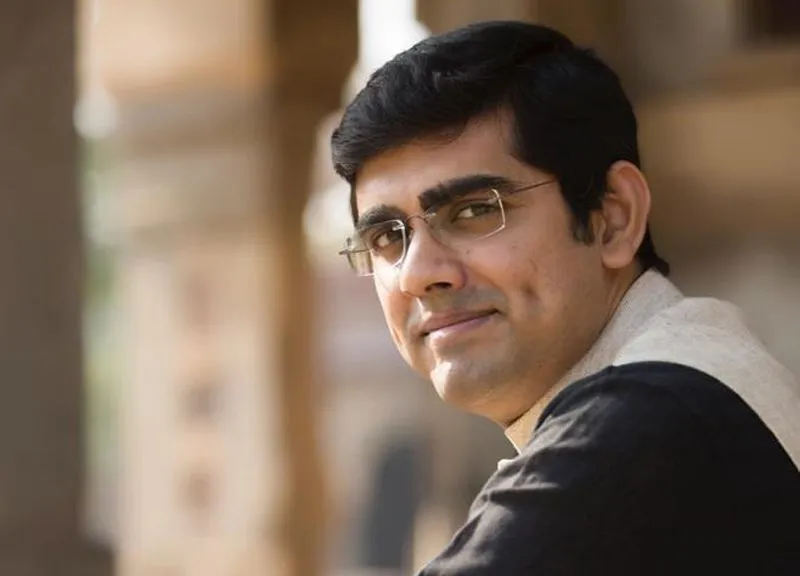
Marathi film Gondhal, written and directed by Santosh Davakhar, has been selected as India’s official entry for the 99th Academy Awards in 2027. Chosen by the Film Federation of India from 33 submissions, the cultural thriller will compete in the Best International Feature Film category. For Davakhar, the selection validates a long-held belief that the film possessed the distinctiveness required to represent the country on the global stage.
A Film Rooted in Ritual and Tension
Gondhal draws its title and atmosphere from a traditional all-night Maharashtrian folk ritual involving music, drumming and performance. The story unfolds over the course of one such night and centres on a newly married couple. As the ritual progresses, underlying tensions involving relationships, desire and deception rise to the surface. The film blends cultural authenticity with the structure of a psychological thriller.
The cast includes Kishor Kadam, Ishita Deshmukh, Yogesh Sohoni, Nishad Bhoir and Anuj Prabhu. Music was composed by the legendary Ilaiyaraaja, while Amalendu Chaudhary handled cinematography. Released theatrically in November 2025, the film had already earned significant recognition on the festival circuit before its Oscar selection.
Confidence from the Beginning
Davakhar has spoken of a quiet confidence that Gondhal would stand out. He believed the film’s combination of cultural specificity and universal human drama gave it a distinctive identity. Rather than treating the regional setting as a limitation, he saw it as a strength—an opportunity to present a side of India that international audiences rarely encounter in mainstream award conversations.
In interviews following the announcement, he noted that many internationally recognised Indian films have focused on themes of poverty or social marginalisation. While acknowledging the importance of those stories, Davakhar wanted to highlight India’s rich cultural heritage and living traditions. Gondhal, built around a vibrant folk practice, was his response to that impulse.
Festival Recognition Built Momentum
The film’s journey gained significant momentum at the 56th International Film Festival of India, where Davakhar received the Silver Peacock for Best Director. It was the first time a Marathi film had achieved that honour. Additional recognition at the Pune International Film Festival further strengthened the film’s credentials. These awards, Davakhar has said, reinforced his conviction that the work could travel beyond regional and national boundaries.
The Film Federation of India’s decision to select Gondhal from a competitive field of 33 films, including several high-profile titles, confirmed that the jury shared an appreciation for its artistic and cultural qualities. The film becomes the fourth Marathi title to represent India at the Oscars, following earlier entries such as Shwaas, Harishchandrachi Factory and Court.
Preparing for the International Campaign
Davakhar has described the selection as both an honour and a responsibility. He has acknowledged feeling nervous about the scale of the Oscar process while affirming that the team is prepared. Preparations for the campaign were already under way before the official announcement. The filmmakers have engaged professional support in Los Angeles to help navigate the complex voting landscape, which involves thousands of Academy members.
Beyond the Best International Feature category, the team has indicated interest in positioning the film more broadly, reflecting confidence in its overall cinematic qualities. Effective marketing and targeted outreach will be essential, Davakhar has emphasised, if the film is to cut through in a crowded awards season.
Collaboration with Ilaiyaraaja
One of the notable creative partnerships on Gondhal was with composer Ilaiyaraaja. The veteran musician’s score adds emotional and atmospheric depth to the ritualistic setting and the interpersonal drama. For Davakhar, working with such an established artist represented both a privilege and a creative alignment. The music helps bridge the film’s specific cultural world with broader emotional accessibility—an important consideration for international viewers.
Broader Significance for Marathi and Indian Cinema
The selection of a Marathi film as India’s official Oscar entry continues a pattern in which regional-language cinema occasionally steps into the national spotlight for global representation. It underscores the diversity of storytelling within the country and challenges any narrow definition of what constitutes “Indian cinema” on the world stage.
For Davakhar, who has spoken of the collective effort behind the film, the recognition belongs to the entire team—cast, crew and collaborators who helped shape a story deeply rooted in place yet resonant beyond it. The director has repeatedly returned to the idea that honest, culturally grounded filmmaking can travel if it is crafted with technical and emotional precision.
Looking Ahead
The road from official selection to shortlist and potential nomination is long and competitive. Gondhal will need to reach Academy voters through screenings, conversations and strategic visibility. Davakhar and his team appear clear-eyed about the challenge while remaining committed to the film’s core strengths.
Whatever the ultimate outcome in the awards race, the selection itself marks a significant chapter for the filmmaker and for Marathi cinema. It affirms that a story built around a traditional night-long ritual, told with conviction and cinematic care, can earn the right to stand as India’s representative before a global audience. For Santosh Davakhar, the confidence that Gondhal would stand out has already been partly rewarded. The next phase of the journey will test how far that distinctiveness can carry the film.
Read more – leventescortq.com
