
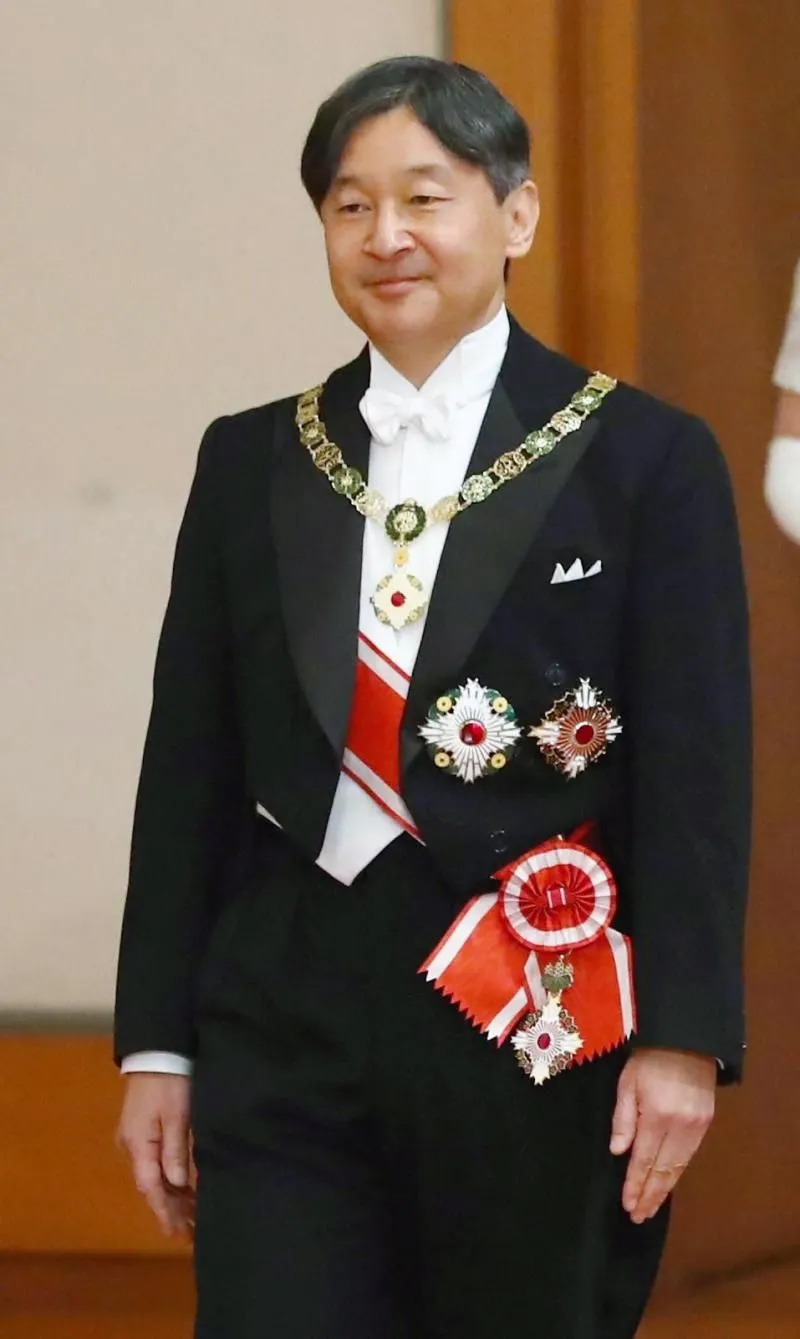
The 20th Asian Games were officially declared open on Saturday, 19 September 2026, in Nagoya, Japan, when Emperor Naruhito delivered the formal proclamation at a colourful opening ceremony. Held at the Mizuho Park Athletic Stadium, the event marked the ceremonial start of Asia’s largest multi-sport gathering after a build-up marked by logistical difficulties. India’s contingent marched in the Parade of Nations behind flag-bearers Manu Bhaker and Pawan Sehrawat.
A Ceremony of Culture and Technology
The two-hour spectacle, directed by Nagoya-born filmmaker Yukihiko Tsutsumi, unfolded under the theme “Harmonic Heart Beat.” The concept was intended to symbolise connection and shared rhythm among athletes from across the continent. The main stage was designed in the shape of a large heart, reinforcing the message of unity.
The ceremony began with the Japanese national anthem and the raising of the national flag, carried by members of the Self-Defence Forces. Performances blended traditional Japanese cultural elements with contemporary technology, reflecting both the heritage of the host region and its industrial strengths. The official mascot, Honohon — derived from an older Japanese word associated with flame — made appearances, representing the passion and energy of competing athletes.
Emperor Naruhito declared the Games open in the presence of Empress Masako, Crown Prince Akishino, Princess Kiko, Olympic Council of Asia President Sheikh Joaan bin Hamad Al Thani, and International Olympic Committee President Kirsty Coventry. The imperial presence underscored the national significance of Japan hosting the Asian Games for the third time, following Tokyo in 1958 and Hiroshima in 1994.
India’s Flag-Bearers and Contingent
For India, the evening carried special resonance. Double Olympic medallist shooter Manu Bhaker and kabaddi player Pawan Sehrawat led the contingent into the stadium, carrying the national flag. Bhaker’s selection was widely anticipated. She had made history at the 2024 Paris Olympics by becoming the first athlete from independent India to win two medals at a single Games, securing bronze in the individual and mixed team 10m air pistol events.
Sehrawat stepped in as the male flag-bearer after a late change. Shot-putter Tajinderpal Singh Toor had originally been named for the role but was unable to participate because his ceremonial kit had not arrived in time. Sehrawat, a key member of the Indian men’s kabaddi team that won gold at the previous Asian Games, accepted the honour and represented one of India’s most consistently successful disciplines at the continental level.
The Indian contingent, numbering more than 500 athletes across a wide range of sports, formed part of a larger gathering of competitors from approximately 45 nations and regions. Some Indian athletes had already begun competition before the formal opening, including the women’s cricket team, which secured a semi-final place with a victory over hosts Japan.
Challenges in the Lead-Up
The opening ceremony arrived after a difficult preparatory period that tested the organisers. Unlike previous multi-sport events that featured a dedicated athletes’ village, the Aichi-Nagoya Games housed competitors and officials in a combination of hotels, temporary wooden container units and a cruise ship. The cost-saving approach drew complaints about living conditions, including reports of inadequate bed sizes and limited space.
Transport problems added to the difficulties, with some teams experiencing delays or confusion upon arrival. Weather complications, including heavy rain and the approach of a typhoon, further complicated arrangements. Olympic Council of Asia officials publicly acknowledged the issues while expressing confidence that problems were being resolved once athletes settled in.
Attendance at the stadium itself appeared mixed, with noticeable empty seats in parts of the venue. Nevertheless, the ceremony itself proceeded as a polished showcase, offering organisers an opportunity to shift focus from the troubled build-up to the sporting competition ahead.
Significance of the Games
The Asian Games remain the premier multi-sport event for the continent, bringing together a larger number of athletes than a typical Olympic Games in certain editions. The 2026 programme features 43 sports and hundreds of medal events, running until 4 October. For host Japan, the Games form part of a broader effort to strengthen its position in international sport and to demonstrate organisational capability in the years following the Tokyo Olympics.
The theme of harmony carried particular weight against the backdrop of regional and global tensions. Organisers and continental leaders presented the event as a platform for sporting connection that transcends political differences. Whether that message resonates beyond the ceremony will depend on the conduct of the competition and the experiences of the athletes over the coming fortnight.
Looking Ahead to Competition
With the formalities complete, attention turns fully to the field of play. Host Japan will be expected to challenge strongly across multiple disciplines. Traditional powers and emerging nations will contest medals in both Olympic and non-Olympic sports. For India, the campaign carries expectations built on recent continental successes and the presence of established stars such as Bhaker alongside team-sport athletes like Sehrawat.
The opening ceremony provided a moment of collective celebration after weeks of logistical strain. Emperor Naruhito’s declaration marked the official beginning of the 20th Asian Games. In the days ahead, the focus will shift from spectacle to performance, as thousands of athletes compete for national pride and personal achievement in venues across Aichi Prefecture and beyond. The success of the Games will ultimately be measured by the quality of competition, the fairness of organisation, and the memories created for participants and spectators alike.
Read more – todaybestoffers.info
