
In 2026, lifestyle trends have shifted toward practical, sustainable everyday habits that support both physical health and emotional well-being. Rather than chasing extreme transformations or expensive interventions, people are embracing small, repeatable actions that fit into real life. Surveys and expert insights show that consistent routines around movement, nutrition, sleep, stress management, and social connection form the core of feeling healthier and happier. These habits draw on long-standing evidence while reflecting current priorities such as tracking personal data for motivation, prioritizing fiber and protein, and building resilience through simple daily practices.
Embracing Daily Movement and Micro-Activity
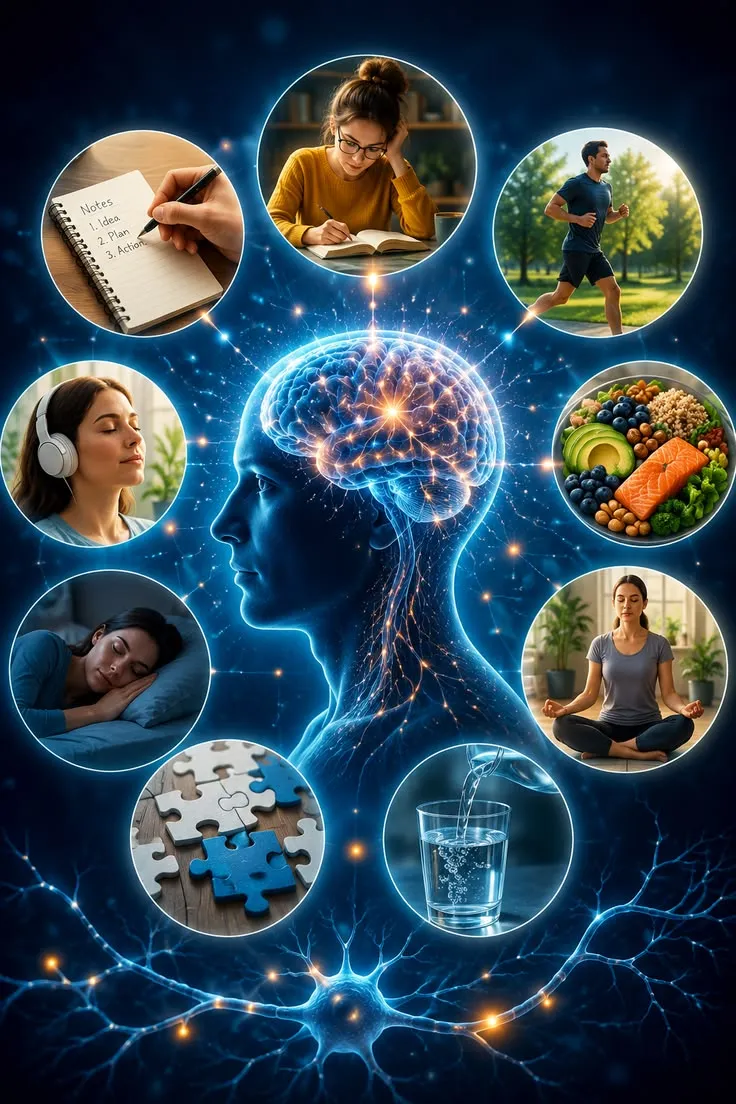
Regular physical activity remains a cornerstone of healthier living in 2026. Many adults now focus on accessible forms of movement rather than intensive gym sessions alone. Walking stands out as one of the most common daily habits, with people incorporating short walks throughout the day or after meals to support digestion, stabilize energy levels, and improve mood. Strength training has also gained prominence as a preventive practice, helping maintain muscle mass, support metabolic health, and promote longevity as people age.
Experts highlight that combining aerobic activity with resistance exercises delivers broad benefits for heart health, bone density, and mental clarity. Everyday movement counts significantly—taking stairs, stretching in the morning, or brief activity breaks during work. Tracking steps or activity levels provides a sense of achievement that motivates consistency. The emphasis is on sustainability: starting with modest goals and building gradually makes these habits stick over the long term.
Focusing on Nutrient-Dense, Whole-Food Nutrition
Nutrition trends in 2026 center on quality and balance rather than restrictive rules. A Mediterranean-style pattern rich in vegetables, fruits, legumes, whole grains, nuts, seeds, and healthy fats continues to receive strong support for reducing risks of chronic conditions and supporting overall vitality. Increasing fiber intake has emerged as a particularly valued strategy, linked to better digestive health, stable energy, and lower disease risk. Protein awareness has also risen, with many people aiming for adequate amounts to support muscle maintenance and satiety.
Hydration plays a key role, with regular water intake becoming a tracked daily metric for many. Simple swaps, such as choosing whole foods over ultra-processed options and including a variety of plants, make these changes practical. Morning sunlight exposure pairs well with nutrition habits by helping regulate circadian rhythms and supporting overall metabolic balance. The guiding principle is consistency over perfection—small, repeated choices around meals and snacks accumulate meaningful benefits.
Prioritizing Quality Sleep and Recovery
Sleep has become a measurable priority in 2026 lifestyle trends. Adults increasingly recognize the value of seven or more hours of quality rest for immune function, mood regulation, cognitive performance, and long-term health. Tracking sleep duration and consistency helps many people identify patterns and make adjustments, such as establishing regular bedtimes or reducing screen time before rest.
Morning light exposure shortly after waking supports natural body clocks, while evening routines that limit disruptions promote deeper recovery. Stress reduction techniques, including brief breathing exercises or mindful pauses, further enhance sleep quality. These practices address the reality that insufficient rest contributes to broader challenges in energy, appetite regulation, and emotional balance. Treating sleep as a non-negotiable foundation strengthens both physical and mental resilience.
Managing Stress and Building Emotional Resilience
Everyday stress management features prominently in current lifestyle approaches. Simple techniques such as short periods of mindful breathing, gratitude practices at the start of the day, or engaging in hobbies help regulate the nervous system and foster positive emotions. Positive connections and small acts of kindness create upward spirals of well-being, supporting mental clarity and reducing the impact of daily pressures.
Many people report that combining movement with stress-reducing habits improves overall satisfaction. Reducing phone use at key times, such as mornings or evenings, creates space for presence and recovery. These approaches acknowledge that stress and good health can coexist, yet intentional daily actions help maintain equilibrium. Building emotional resilience through consistent micro-practices supports greater happiness alongside physical health goals.
Strengthening Social Connections and Community
Social connection ranks as an essential element of happier living in 2026. Meaningful interactions with family, friends, or community groups buffer against isolation and enhance emotional well-being. Trends include more intentional time spent with others, whether through shared walks, meal preparation, or simple check-ins. Alcohol-free social occasions and group activities focused on wellness further support this shift.
Experts note that strong relationships influence sleep quality, stress levels, and overall health outcomes. Prioritizing connection as a daily or weekly habit—rather than an occasional event—helps sustain these benefits. In a world of digital tools, in-person or intentional virtual interactions provide grounding that complements individual health practices.
Tracking Progress for Motivation and Awareness
Personal tracking of key metrics has become widespread. Many individuals monitor several aspects of daily life, including steps, sleep, water intake, fiber, or protein. This data-driven awareness often leads to positive changes, such as walking more or improving hydration. The motivation comes from visible progress and the sense of control it provides, rather than perfection.
Wearable insights and simple journals serve as tools for reflection, helping people adjust habits based on real feedback. The focus remains on using information to support sustainable routines instead of creating pressure. Combining tracking with foundational habits around movement, nutrition, and rest creates a practical system for ongoing improvement.
Creating Sustainable Daily Routines
The overarching lifestyle direction in 2026 favors systems over isolated goals. Integrating small habits into existing schedules—such as a morning stretch with water, a post-meal walk, or an evening wind-down—makes healthier living more automatic. Experts emphasize that foundational behaviors like balanced eating, regular activity, adequate sleep, and social connection deliver stronger long-term results than temporary intensives or unproven trends.
Starting with one or two changes and layering additional practices over time builds momentum. These everyday habits support not only physical health markers but also greater energy, emotional balance, and life satisfaction. By centering attention on accessible, evidence-aligned routines, individuals can cultivate a happier and healthier life that endures beyond any single year.
Read more – Hairstylespark.com
