
When Alia Bhatt’s first look from Sanjay Leela Bhansali’s Love & War appeared, it immediately stood out. Dressed in a bold cabaret-inspired ensemble, the actor projected a glamorous, stage-ready energy that marked a clear departure from many of her recent roles. Among the early reactions, one carried particular weight. Veteran actor Zeenat Aman responded with unmistakable approval, and Alia’s reply turned the moment into a warm, cross-generational exchange that resonated widely.
The Look That Sparked Attention
Alia’s posters arrived a day after Ranbir Kapoor’s first images from the film had been unveiled. In the new frames, she appears as a showgirl: a dramatic feathered headdress, a sequinned crop top, a flowing skirt with a high slit, and boots. The setting is a stage, the posture confident and performative. The overall effect is deliberately retro yet sharply contemporary, blending classic cabaret glamour with the meticulous visual style associated with Bhansali’s cinema.
The images quickly circulated, drawing comments on the costume design, the styling and the fresh register Alia was exploring. For an actor known for emotionally layered and often understated performances, the high-voltage, theatrical avatar generated curiosity about the character and the world of the film.
Zeenat Aman’s Seal of Approval
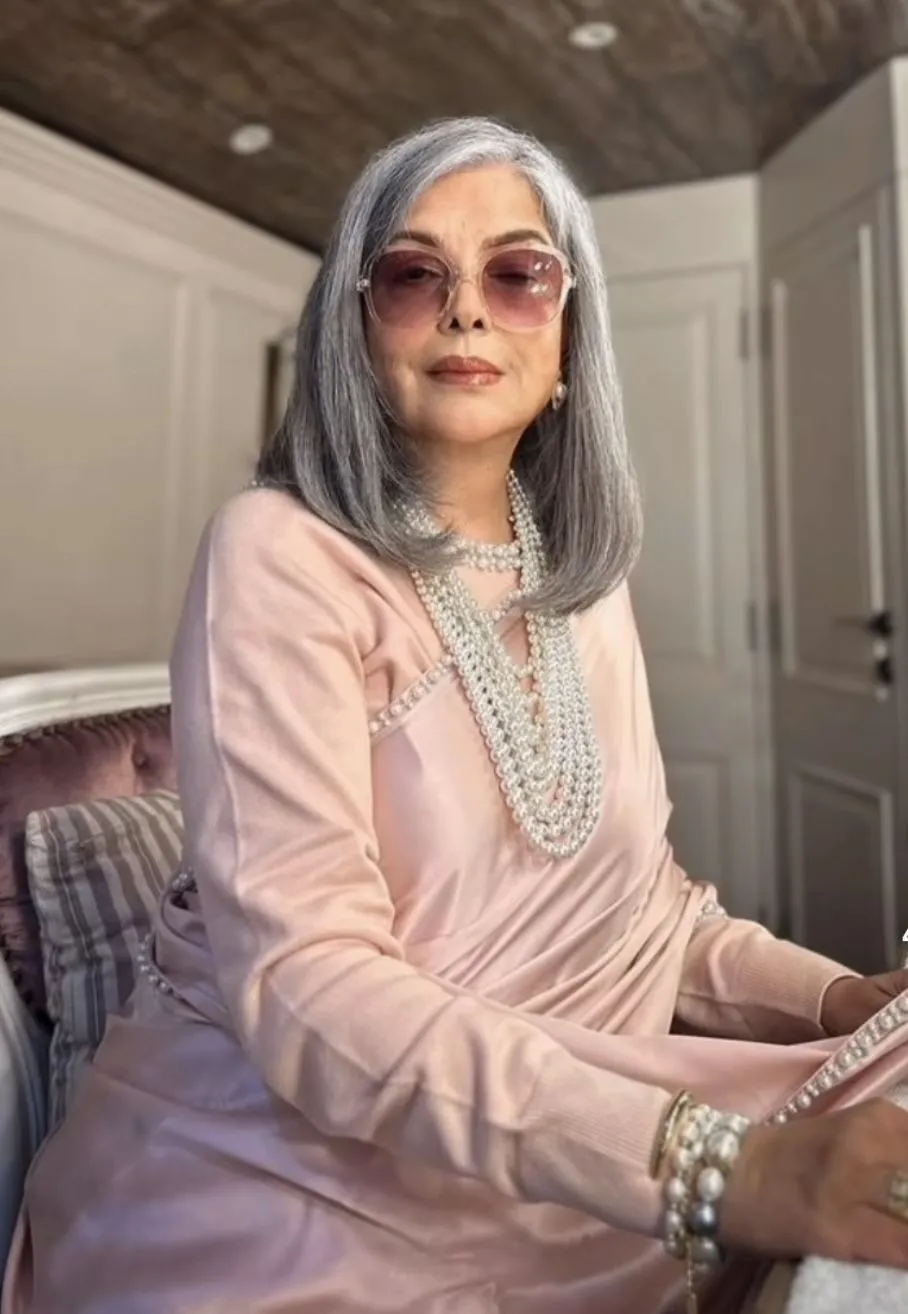
Zeenat Aman, long regarded as one of Indian cinema’s defining style icons and a pioneer of bold, glamorous screen presence, was among the first prominent voices to respond. In a comment that was widely shared, she wrote, “Well, well… SLB has unleashed a showgirl!” The remark was concise, affectionate and knowing. Coming from an actor whose own career helped redefine on-screen glamour in the 1970s, the words carried the force of recognition rather than mere politeness.
In additional reactions, Zeenat linked the look to the spirit of an earlier era, noting that cabaret had rarely looked so compelling. Her endorsement framed Alia’s appearance not as imitation but as a contemporary reinterpretation of a classic cinematic language.
Alia’s Thoughtful Response
Alia replied with visible warmth. She thanked Zeenat, addressing her with respect, and added a revealing detail: the veteran actor had been discussed countless times on the sets of Love & War. Because of those conversations, the compliment felt especially meaningful. The exchange suggested that Zeenat’s body of work and screen persona had served as a point of reference during the making of the film, whether in discussions of performance style, costume, attitude or the broader tradition of the Hindi film showgirl.
In an industry where generational handovers are often more symbolic than substantive, the brief dialogue stood out for its sincerity. It connected a current leading actor with a predecessor whose work helped expand the possibilities of glamour and agency on screen.
Context Within Love & War
Love & War brings together Alia Bhatt, Ranbir Kapoor and Vicky Kaushal under Sanjay Leela Bhansali’s direction. The film is scheduled for a worldwide theatrical release in January 2027. Bhansali’s projects are known for their elaborate production design, intense emotional registers and carefully constructed visual worlds. The decision to introduce Alia’s character through a cabaret-themed first look signals that her role will occupy a distinctive space within that universe—one that allows for spectacle, performance and a heightened sense of presence.
First-look posters in Bhansali’s films often function as more than publicity stills. They establish tone, suggest character psychology and invite audiences to begin imagining the story. Alia’s images follow that tradition, offering a strong initial statement about the energy her character will bring.
Why the Exchange Matters
Celebrity reactions to film promotions are common. What distinguished this one was the specific cultural resonance. Zeenat Aman represents a generation that brought a new kind of confidence and physical expressiveness to Hindi cinema. Cabaret numbers and glamorous performance sequences from that era remain reference points for filmmakers and audiences alike. When she publicly recognises a similar spirit in a contemporary actor’s look, it creates a sense of continuity.
Alia’s acknowledgment that Zeenat had been part of the creative conversation on set reinforces that continuity. It suggests the filmmakers were conscious of cinematic history while crafting a modern interpretation. For audiences, the exchange adds an extra layer of interest: the film is not only a new Bhansali spectacle but also a project that appears to be in dialogue with the tradition it draws from.
Broader Reactions and the Build-Up
Alongside Zeenat’s comment, other industry figures and co-stars expressed admiration for the look, describing it as striking and memorable. The collective response helped sustain attention on the film in the days following the poster release. In the competitive landscape of film promotion, such organic endorsement from respected peers can amplify reach more effectively than paid campaigns alone.
The staggered release of character posters—first Ranbir, then Alia—also reflects a deliberate strategy. Each image is allowed its own moment, building anticipation without overwhelming audiences with simultaneous reveals. The approach keeps the film in conversation over multiple days and invites separate discussions about each character’s visual identity.
A Moment of Graceful Continuity
In the end, the interaction between Zeenat Aman and Alia Bhatt was brief, gracious and revealing. A veteran recognised a compelling new interpretation of a classic screen archetype. A current star acknowledged the influence of that legacy and the conversations it had inspired during filming. Between those two gestures lay a quiet affirmation that certain cinematic languages continue to evolve rather than disappear.
As Love & War moves closer to its 2027 release, the cabaret-inspired first look will remain one of its early defining images. Thanks to Zeenat Aman’s response and Alia’s reply, that image now carries an additional association—one that links a new character to a longer tradition of bold, performative femininity in Hindi cinema. In an industry that often moves quickly from one promotional cycle to the next, such moments of recognition help anchor new work in a richer historical context.
Read more – Dailymarathishayari.com
