
A planned “peptide party” in Bengaluru was cancelled after doctors and regulators raised serious concerns about the unsupervised distribution of medical compounds. The invite-only event, scheduled for late August in Koramangala, had been promoted online as a biohacking gathering that would include peptide tasting alongside music and networking. Health experts warned that such an approach carried real risks, including severe allergic reactions, hormonal imbalance and organ strain.
What the Event Proposed
The gathering was organised by Upsurge Labs LLP and advertised as one of the first of its kind in the city. Promotional material described it as an opportunity to explore the “next wave of science” and offered participants the chance to learn about and sample peptide products. It was limited to a small number of invitees, though interest appeared high, with registrations exceeding the intended capacity.
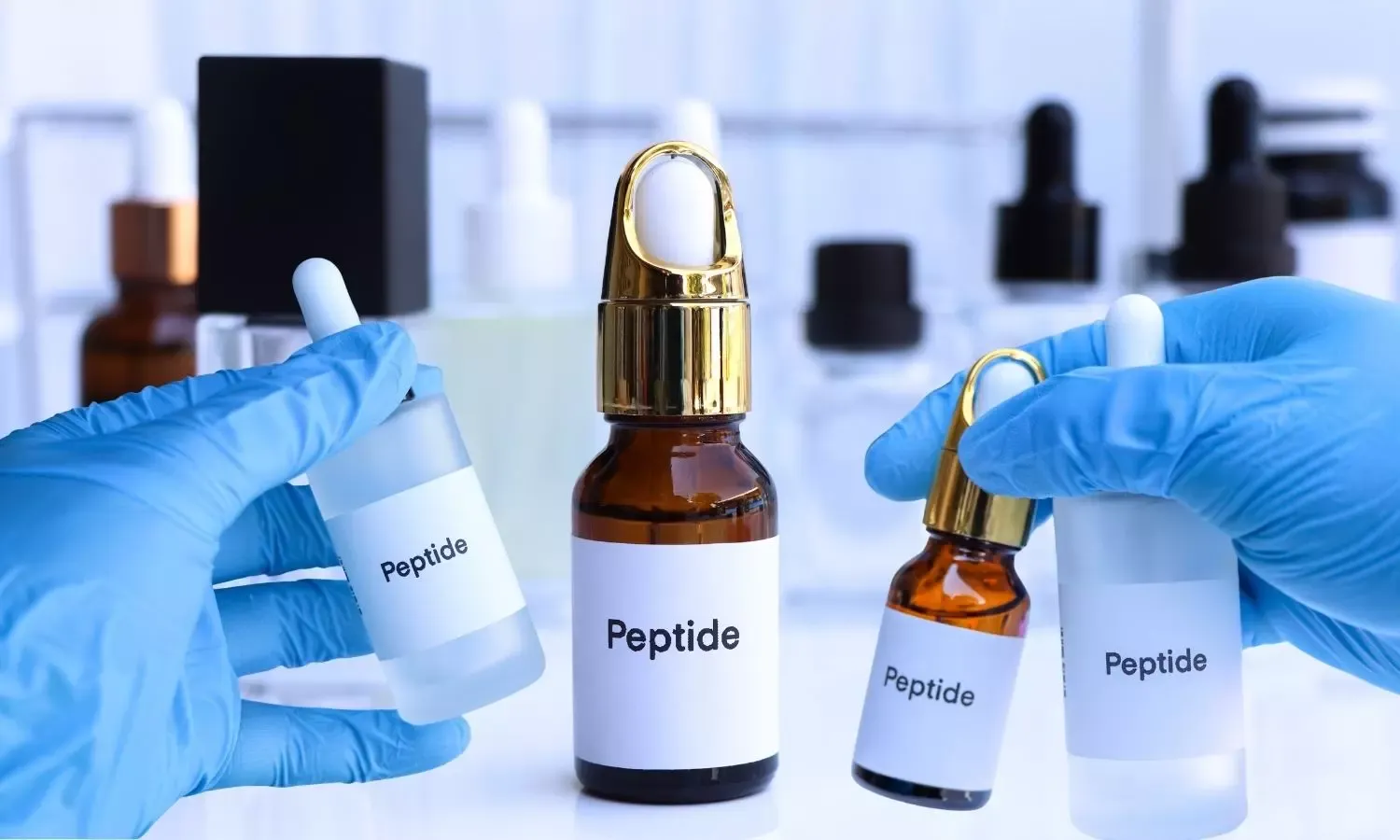
Peptides are short chains of amino acids that function as signalling molecules or building blocks in the body. Some peptide-based medicines, such as certain treatments for diabetes and obesity, have undergone rigorous clinical testing and received regulatory approval. Many other compounds popular in online wellness and fitness circles, however, lack the same level of evidence or official authorisation for the uses being promoted.
Medical Concerns Raised
Doctors quickly flagged the dangers of distributing or administering these substances outside a controlled medical setting. They pointed out that unsupervised use could lead to allergic reactions, disruption of hormonal systems and strain on organs. Misdosing or combining multiple compounds without professional oversight, they cautioned, could produce severe and sometimes unpredictable complications.
Experts also noted the difference between established, prescription peptide medicines and the wider range of products marketed for recovery, anti-ageing, muscle growth or longevity. While the former are regulated and monitored, many of the latter remain experimental or inadequately studied in humans. The absence of clear medical supervision at a social event heightened the perceived risk.
Regulatory Intervention
The Karnataka Food Safety and Drug Administration took note of the online publicity and issued a formal notice to the organisers. Officials sought detailed information on the exact composition of the products, their manufacturing sources, any drug licences held, scientific evidence supporting health claims, and arrangements for medical supervision if the substances were to be administered.
The department specifically asked whether the preparations qualified as drugs under the Drugs and Cosmetics Act. If they did not, organisers were required to explain the legal basis for their classification. Claims related to weight management, muscle growth, recovery and similar benefits were also scrutinised, with a demand for supporting clinical data and regulatory approvals.
Inspectors visited the organisers’ premises. In response to the notice and the inability to immediately provide comprehensive documentation meeting human-use safety standards, the company informed authorities that the event had been cancelled. A public advisory from the department confirmed the cancellation.
Legal and Safety Context
In India, substances intended to treat, prevent or alter bodily functions generally fall under the Drugs and Cosmetics Act. Approved peptide medicines are typically available only on prescription. Many of the compounds discussed in biohacking communities do not carry Indian marketing approval for the purposes for which they are often promoted.
Personal import of small quantities for individual use exists under narrow rules, but large-scale promotion, supply or administration at a public or semi-public event raises different regulatory questions. Authorities emphasised that failure to demonstrate compliance could lead to further action. Health officials also warned against any attempt to hold the gathering in a modified or secret form.
Broader Questions About the Peptide Trend
The cancellation has drawn attention to the growing popularity of peptides in wellness and fitness circles. Social media and influencer-driven discussion have helped popularise a range of compounds, sometimes blurring the line between rigorously tested medicines and experimental substances. Medical professionals have stressed that scientific credibility does not automatically transfer from approved drugs to every product sold under the peptide label.
Unsupervised “stacking” of multiple peptides is particularly discouraged because of limited data on interactions, optimal dosing and long-term effects. Without proper medical evaluation, individual health conditions, potential contraindications and monitoring for adverse reactions remain unaddressed.
Why the Ban Matters
The decision to halt the Bengaluru event reflects a precautionary approach by both the medical community and state regulators. It prioritises patient safety over the novelty of an informal tasting or networking format. By requiring clear documentation of composition, sourcing, licensing and clinical oversight, authorities signalled that substances with pharmacological effects cannot be treated as casual party accessories.
For participants who had registered, the cancellation removed the immediate risk of exposure to compounds of uncertain quality or dosage. For the wider public, it serves as a reminder that wellness trends originating online do not automatically meet the standards required for safe human use.
Looking Ahead
The episode is likely to prompt closer scrutiny of how peptide products are marketed and shared in informal settings. Organisers of similar events will face pressure to demonstrate regulatory compliance and medical safeguards in advance. Consumers interested in peptide therapies are being advised to consult qualified physicians and rely on approved medicines rather than unverified sources.
In the end, the Bengaluru peptide party was stopped not because of abstract opposition to science or innovation, but because of concrete concerns about unsupervised access to powerful biological compounds. Doctors warned of allergic reactions, hormonal disruption and organ stress. Regulators demanded proof of safety and legality. When those assurances could not be readily provided, the event was called off. The outcome underscores a basic principle: substances that affect human physiology require careful controls, not casual distribution at a social gathering.
Read more – themenuspark.com , scorematchup.com
