
Art has been a powerful form of human expression for thousands of years. From painting and music to writing, dance, and creative activities, art allows people to express emotions, communicate ideas, and understand themselves better. Beyond entertainment and cultural value, art also plays an important role in supporting mental health and emotional wellness.
In modern life, stress, anxiety, emotional pressure, and social challenges have become common experiences for many people. While professional mental health support is essential when needed, creative activities can act as a valuable tool for improving emotional balance, reducing stress, and promoting self-awareness.
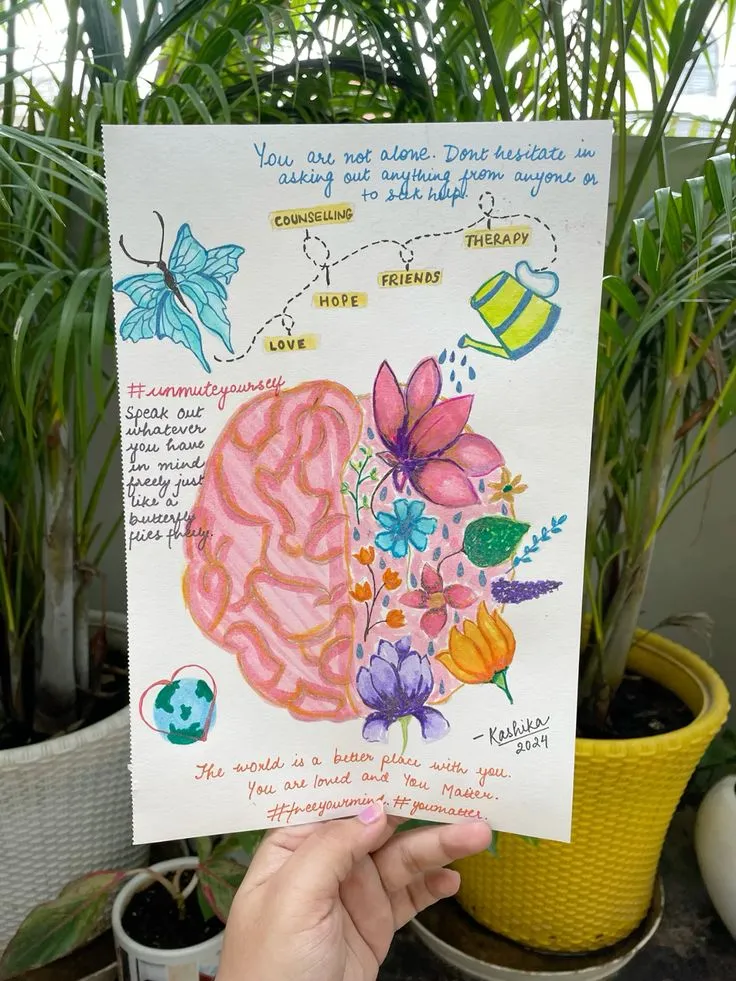
The role of art in mental health is based on the connection between creativity and emotional expression. Art provides a safe space where individuals can explore feelings, process experiences, and develop healthier ways of coping with challenges.
Whether someone creates art professionally or simply enjoys creative activities as a hobby, the process of creating can provide meaningful psychological benefits.
Understanding the Connection Between Art and Mental Health
Art and mental health are closely connected because creativity involves emotions, thoughts, memories, and personal experiences. When people engage in artistic activities, they often focus their attention on the present moment, which can create a sense of calm and relaxation.
Creative expression allows individuals to communicate feelings that may be difficult to explain through ordinary conversation. A person may express sadness, happiness, fear, hope, or personal experiences through colors, sounds, words, movements, or other creative forms.
Art does not require perfection. The mental health benefits come from the process of creation rather than the final result. The act of creating helps people explore their inner world and develop a stronger connection with their emotions.
How Creativity Helps Reduce Stress
One of the most important benefits of art for mental health is its ability to reduce stress. Creative activities can help shift attention away from daily worries and encourage relaxation.
When people engage in activities such as drawing, painting, playing music, or writing, they often enter a focused state where they become more connected with the activity. This concentration can provide a temporary break from stressful thoughts.
Creative hobbies can also create feelings of achievement and satisfaction. Completing a creative project, regardless of its complexity, can improve mood and provide a sense of personal accomplishment.
Regular involvement in creative activities can become a healthy way to manage everyday stress and support emotional balance.
Art as a Tool for Emotional Expression
Many emotions are complex and difficult to communicate through words. Art provides another language for expressing thoughts and feelings.
For example, someone experiencing emotional struggles may use painting, poetry, music, or photography to represent their feelings. This form of expression can help individuals understand their emotions and process difficult experiences.
Creative expression can be especially valuable for people who find traditional communication challenging. It provides a non-judgmental space where emotions can be explored freely.
By expressing emotions through art, individuals may develop greater self-awareness and a better understanding of their personal experiences.
The Role of Art in Improving Self-Awareness
Self-awareness is an important part of emotional wellness. Understanding personal thoughts, feelings, and behaviors helps individuals make healthier decisions and develop emotional strength.
Creative activities encourage reflection and personal exploration. When people create art, they often discover new perspectives about themselves and their experiences.
Writing, for example, can help organize thoughts and identify emotions. Visual art can reveal feelings that may not have been consciously recognized.
Through creativity, individuals can learn more about their personality, values, emotions, and personal growth journey.
Art and Anxiety Management
Anxiety often involves excessive worry, fear, and difficulty focusing on the present moment. Creative activities can help individuals redirect attention and create a calming experience.
Activities such as coloring, crafting, playing an instrument, or practicing creative writing can encourage mindfulness. Mindfulness involves focusing on the current activity rather than becoming overwhelmed by future concerns.
Art does not replace professional treatment for anxiety disorders, but it can be a supportive practice that promotes relaxation and emotional stability.
Many people find that creative routines provide comfort and a healthy way to manage anxious thoughts.
How Music Supports Emotional Wellness
Music is one of the most powerful forms of artistic expression and has a strong connection with emotions. Listening to or creating music can influence mood, relaxation, and emotional experiences.
Calming music may help people relax, while energetic music can improve motivation and mood. Learning an instrument or singing can also provide a sense of achievement and creativity.
Music allows people to connect with memories and emotions. It can provide comfort during difficult moments and create positive emotional experiences.
For many individuals, music becomes an important part of their self-care routine.
Benefits of Writing and Journaling for Mental Health
Writing is another creative activity that can support emotional wellness. Journaling allows individuals to record thoughts, feelings, experiences, and personal reflections.
Writing about emotions can help organize thoughts and reduce mental confusion. It allows people to look at situations from different perspectives and recognize patterns in their thinking.
Creative writing, storytelling, and poetry also provide opportunities for imagination and self-expression.
A regular writing habit can encourage emotional awareness and provide a private space for reflection.
Art Encourages Mindfulness and Relaxation
Mindfulness is the practice of being fully present and aware of the current moment. Many artistic activities naturally encourage this state of attention.
When someone paints, plays music, writes, or creates something with their hands, they often become deeply focused on the process.
This focused attention can reduce mental distractions and create a peaceful experience.
Creative activities that encourage mindfulness can help individuals slow down, relax, and develop better emotional control.
Building Confidence Through Creativity
Creating art can improve confidence by helping individuals recognize their abilities and progress.
Learning a creative skill requires patience, practice, and effort. As people improve, they often develop a stronger sense of achievement.
Art also encourages personal expression without requiring comparison with others. Everyone has a unique creative style, which can support individuality and self-acceptance.
The confidence gained through creative activities can positively influence other areas of life.
Art as a Way to Build Social Connections
Creativity can also support mental health by bringing people together. Group activities such as art classes, music groups, theater, and community projects create opportunities for social interaction.
Positive social connections are important for emotional well-being because they reduce feelings of loneliness and encourage a sense of belonging.
Participating in creative communities allows individuals to share experiences, learn from others, and develop supportive relationships.
Art can become a bridge that connects people through shared emotions and experiences.
Different Forms of Art That Support Mental Wellness
Art is not limited to traditional painting or drawing. Many creative activities can support emotional health, including:
Visual arts such as painting, photography, and crafts.
Music activities such as singing, playing instruments, and listening to meaningful songs.
Writing activities such as journaling, poetry, and storytelling.
Movement-based activities such as dance and creative exercises.
Drama and performance activities that encourage expression and communication.
The most beneficial form of art is the one that feels enjoyable and meaningful to the individual.
The Importance of Making Creativity Part of Daily Life
Creativity does not need to become a major commitment to provide mental health benefits. Small creative activities can become part of everyday routines.
Spending a few minutes drawing, writing, listening to music, gardening, cooking creatively, or exploring a new hobby can support emotional wellness.
The goal is not to create perfect work but to enjoy the process and allow creativity to become a positive part of life.
Making time for creative expression can contribute to a healthier balance between responsibilities, emotions, and personal well-being.
Conclusion
The role of art in mental health is significant because creativity provides a powerful way to express emotions, reduce stress, improve self-awareness, and support emotional wellness.
Art allows individuals to explore their feelings, develop confidence, practice mindfulness, and connect with others. Whether through painting, music, writing, dance, or any other creative activity, the process of creating can provide valuable mental health benefits.
While art should not replace professional mental health care when needed, it can be an effective supportive practice for maintaining emotional balance and improving quality of life.
By including creativity in daily routines, people can discover healthier ways to express themselves, manage emotions, and build a stronger connection with their inner world.
