
A Strange Object Keeps Flying Through Space
Space is never as quiet as it looks from Earth. Every year, old satellites, rocket parts, and forgotten spacecraft continue drifting across the solar system without much attention. Now one unusual object has started making headlines again because experts believe a drifting SpaceX rocket stage is moving on a path that could eventually bring it into contact with the Moon.
The story sounds dramatic at first glance. Still, it is actually a fascinating mix of orbital science, space exploration, and long-term tracking. Scientists have been following this object for years, trying to understand exactly where it came from and where it might finally end its journey. While nobody expects danger for people on Earth, the event has become an interesting reminder that even abandoned hardware can continue traveling through space for a surprisingly long time.
Why This Rocket Is Still Floating
Rocket stages usually separate after launching a spacecraft into orbit. Many of them eventually fall back into Earth’s atmosphere and burn up completely. Others remain trapped in orbit around Earth for years before reentering naturally.
Some missions work differently, though. Deep-space launches can send upper rocket stages far beyond Earth’s gravity. Once their job is finished, these empty metal structures simply continue drifting through space without any engine power left.
The object connected with this story is believed to be one such rocket stage. After completing its mission years ago, it continued following an unpredictable orbit influenced by Earth’s gravity, the Moon, and even the Sun. Tiny gravitational changes over several years slowly reshaped its path.
Scientists Continue Tracking Every Movement
Tracking something millions of kilometers away is not as simple as pointing a telescope toward the sky. Astronomers combine optical observations with mathematical orbital models that estimate future positions. Even very small errors can produce large differences after several months.
Researchers around the world regularly compare observations from different telescopes. Every new measurement slightly improves the predicted path of the drifting object. Because sunlight, gravity, and orbital speed constantly interact, forecasting an exact future collision remains challenging.
That uncertainty explains why scientists often update predictions instead of making permanent conclusions immediately. Space is incredibly large, but orbital mechanics can still create surprising encounters between natural objects and human-made hardware.
Could The Moon Really Be Hit
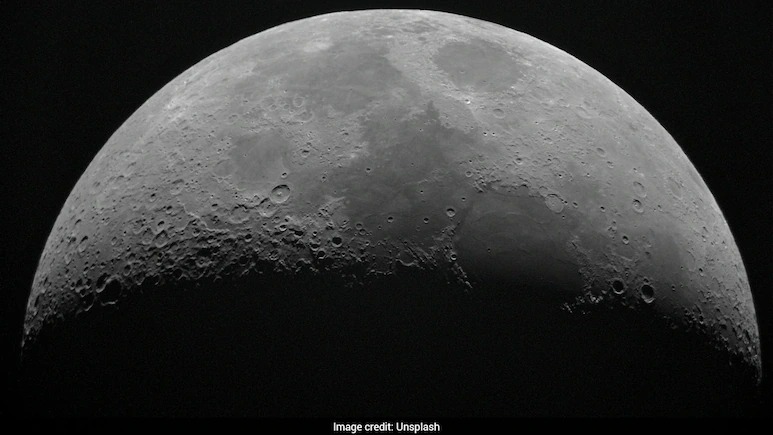
The possibility of a lunar impact attracts attention because the Moon has no atmosphere capable of slowing incoming objects. If a rocket stage reaches the surface, it would strike directly at high speed and leave a fresh crater.
Compared with natural asteroid impacts, however, this object is relatively small. The Moon experiences impacts from rocks and space debris regularly throughout its long history. One additional human-made impact would not create any significant change to the Moon itself.
Researchers are interested because artificial impacts help improve computer models. Fresh craters can reveal details about lunar soil, impact energy, and surface composition when observed by orbiting spacecraft later.
Why Space Junk Is Becoming A Bigger Discussion
This story also highlights a growing challenge beyond Earth. Thousands of inactive satellites and rocket components already occupy different regions of space. Most remain harmless, yet every additional launch increases the amount of human-made material beyond our planet.
Low Earth orbit receives the most attention because active satellites operate there every day. Engineers design many modern spacecraft to safely deorbit after completing their missions. Older missions often lacked those disposal plans because long-term debris management was not yet considered a major concern.
Deep-space debris creates different problems. These objects travel enormous distances while remaining difficult to monitor continuously. Their unpredictable paths sometimes bring them close to Earth, the Moon, or other planetary bodies years after launch.
What Makes Predicting Space Collisions Difficult
Movies often show spacecraft flying directly toward planets in perfectly straight lines. Reality looks completely different. Everything in space constantly moves at incredible speed while being pulled by multiple gravitational forces.
Earth circles the Sun. The Moon circles Earth. Spacecraft travel through constantly changing gravitational environments. Even sunlight produces tiny pressure that slowly changes an object’s orbit over long periods.
Because of these factors, scientists rely on repeated observations instead of single calculations. One updated telescope image may slightly shift the expected impact location or completely change whether a collision happens at all.
This constant refinement is a normal part of astronomical research rather than evidence that predictions were incorrect.
Lessons For Future Space Missions
Every unusual event teaches engineers something valuable. Modern space agencies and private companies increasingly include disposal strategies during mission planning. Some spacecraft intentionally return to Earth after completing their objectives. Others move into safer disposal orbits where they create less long-term risk.
Future lunar missions may also include better tracking systems for hardware left in deep space. Improved monitoring makes it easier to predict possible encounters years before they happen.
International cooperation has become equally important. Observatories across different countries share orbital information, improving overall accuracy while reducing uncertainty for everyone involved.
As more governments and private companies explore the Moon, Mars, and beyond, responsible spacecraft management will become an even larger priority.
Public Interest Keeps Growing
Stories involving rockets, the Moon, and possible impacts naturally attract attention. Space exploration remains one of the few scientific fields capable of capturing worldwide curiosity almost instantly.
People often imagine dramatic explosions or catastrophic events after reading headlines. The actual scientific story is usually calmer but much more interesting. Watching an abandoned rocket travel silently through space for years before approaching another celestial body demonstrates just how complex orbital mechanics really are.
Events like these also encourage more people to learn about astronomy, engineering, and planetary science. Curiosity often begins with an unusual headline before leading someone toward a deeper understanding of how our solar system works.
Looking Beyond One Rocket
This drifting rocket stage represents only a tiny piece of humanity’s growing presence beyond Earth. Hundreds of future missions are already planned by national space agencies and private companies. Lunar exploration is entering a new era with scientific landers, communication satellites, robotic vehicles, and eventually human crews expected to visit more frequently.
Managing spacecraft responsibly will become just as important as building them successfully. Careful mission planning, better tracking technology, and international cooperation can reduce unnecessary debris while protecting future exploration efforts.
The story is not really about one forgotten rocket. Instead, it reflects how quickly human activity has expanded into deep space and why long-term planning matters more than ever before.
Conclusion
The drifting SpaceX rocket stage reminds us that every mission leaves behind a lasting footprint somewhere in space. Although headlines about a possible Moon collision sound dramatic, scientists view the situation as another valuable opportunity to improve orbital tracking, study impact science, and strengthen future space operations. The Moon itself faces no meaningful threat, yet researchers gain useful knowledge by carefully monitoring these unusual events. As humanity continues exploring deeper into the solar system, responsible spacecraft management will become increasingly important. Stay informed about space discoveries, follow verified scientific updates, and keep exploring the fascinating stories shaping the future of space exploration.
Read More :-
