
Vitamin B12 is essential for healthy nerve function, red blood cell formation, and DNA synthesis. When levels drop too low, the effects can extend beyond physical symptoms such as fatigue or anaemia and influence mental well-being. Growing clinical observation and research have linked vitamin B12 deficiency to a range of neuropsychiatric symptoms, including anxiety. Understanding this connection helps explain why checking B12 status can be an important step for people experiencing unexplained or persistent anxiety.
How Vitamin B12 Supports Brain and Nerve Health
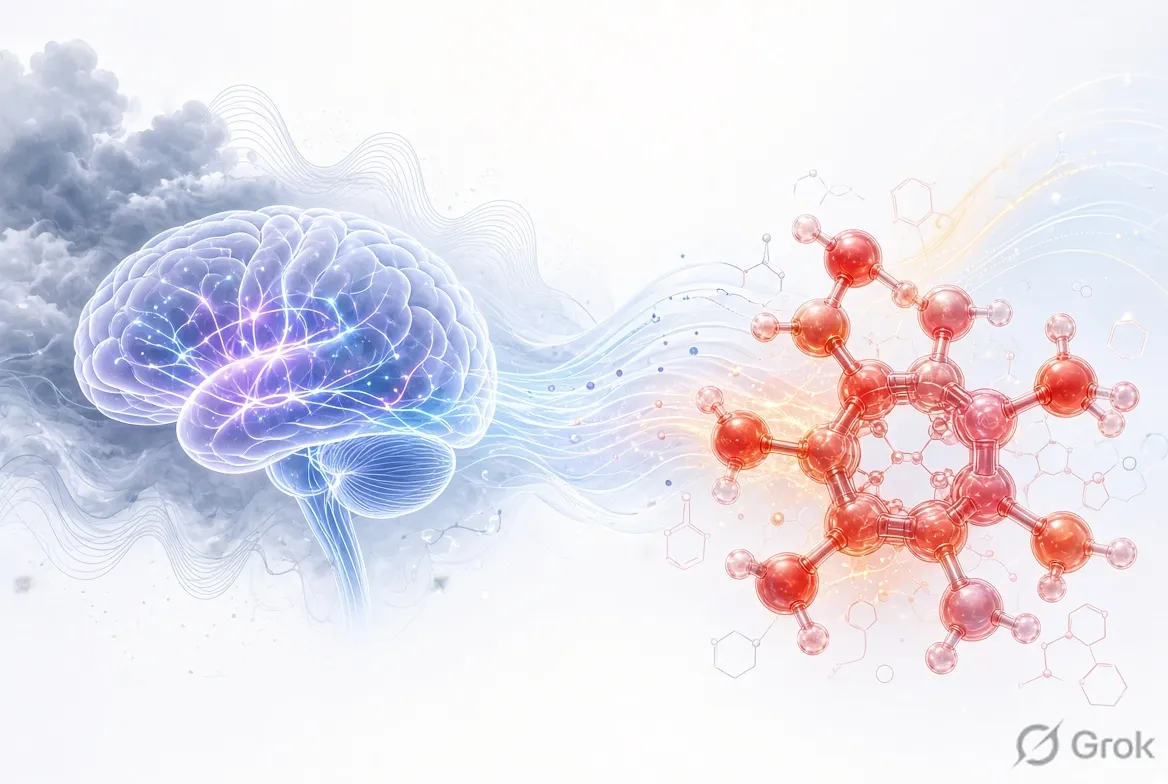
Vitamin B12, also known as cobalamin, plays a key role in the production of myelin, the protective sheath around nerves, and in the synthesis of neurotransmitters that regulate mood. It acts as a cofactor in one-carbon metabolism, helping convert homocysteine into methionine. When B12 is insufficient, homocysteine levels rise. Elevated homocysteine is associated with oxidative stress, inflammation, and disruption of normal brain chemistry.
These biochemical changes can affect the central nervous system. Over time, deficiency may lead to demyelination, impaired nerve signalling, and alterations in the balance of chemicals such as serotonin and dopamine that influence emotional stability. The result can include irritability, low mood, cognitive fog, and heightened anxiety.
Evidence Linking B12 Deficiency to Anxiety
Clinical literature documents that vitamin B12 deficiency can present with neuropsychiatric symptoms even before classic haematological signs appear. Anxiety, depression, irritability, insomnia, and in severe cases psychosis or cognitive impairment have all been observed in people with low B12 levels.
Observational studies frequently report lower serum B12 concentrations in individuals with anxiety or depressive symptoms compared with those without such symptoms. In some cohorts, participants with deficient B12 showed higher scores on standardised anxiety and depression scales. Animal research has also demonstrated increased anxiety-like behaviours in models of B12 deficiency, supporting a biological link.
The relationship is not always straightforward. Mendelian randomisation studies, which use genetic variants to test causality, have produced mixed findings. Some suggest that simply raising B12 levels in the general population may not strongly reduce the risk of common psychiatric disorders. This indicates that while deficiency can contribute to or worsen anxiety in susceptible individuals, B12 status is only one of many factors influencing mental health.
Importantly, severe deficiency is more clearly associated with neuropsychiatric manifestations than mild or borderline low levels. In established deficiency, correcting the shortfall often leads to improvement in mental symptoms, reinforcing the practical relevance of the connection.
Mechanisms That May Explain the Anxiety Link
Several pathways help explain why low B12 can heighten anxiety. Elevated homocysteine and methylmalonic acid accumulate when B12-dependent enzymes cannot function properly. Both can damage nerve tissue and disrupt neurotransmitter production. Without adequate B12, the protective covering of nerves deteriorates, potentially leading to sensory changes, restlessness, and heightened nervous system reactivity. Deficiency also promotes inflammatory processes in the brain that are increasingly recognised as contributors to mood and anxiety disorders. In addition, B12 supports methylation reactions necessary for the synthesis and regulation of mood-related chemicals. These mechanisms can operate independently of anaemia, which is why some people experience anxiety or other psychiatric symptoms while still having normal blood counts.
Who Is at Higher Risk of B12 Deficiency
Certain groups are more likely to develop low B12 levels and therefore may be more vulnerable to related mental health effects. Older adults often experience a decline in the ability to absorb B12 from food. People following strict vegan or vegetarian diets without adequate supplementation face higher risk because B12 is found almost exclusively in animal products. Individuals with gastrointestinal disorders such as pernicious anaemia, Crohn’s disease, coeliac disease, or those who have undergone gastric surgery are also more susceptible. Long-term users of certain medications, including metformin and proton-pump inhibitors, as well as people with heavy alcohol use or poor overall nutrition, fall into higher-risk categories. In these populations, unexplained anxiety, irritability, or cognitive changes warrant consideration of B12 status.
When to Get Your Vitamin B12 Levels Checked
Routine screening of B12 is not recommended for every person with anxiety. However, testing becomes relevant when anxiety occurs alongside other suggestive symptoms or risk factors. These include persistent fatigue, pins-and-needles sensations, balance problems, memory difficulties, pale skin, a sore tongue, or a history of conditions that impair B12 absorption. Blood tests typically measure serum B12. In borderline cases, additional markers such as methylmalonic acid or homocysteine can provide clearer evidence of functional deficiency. Early detection is valuable because prolonged deficiency increases the risk of irreversible neurological damage.
Addressing Deficiency and Its Impact on Anxiety
Treatment depends on the cause and severity. Dietary insufficiency can often be managed with oral supplements. When absorption is impaired, intramuscular injections of B12 are commonly used to restore levels more reliably. Improvement in neurological and psychiatric symptoms is frequently observed once adequate stores are replenished, although recovery of nerve function can take weeks to months.
It is important to recognise that B12 supplementation is not a universal treatment for anxiety. When deficiency is not present, raising already normal levels is unlikely to resolve anxiety symptoms. Standard approaches to anxiety—psychological therapies, lifestyle measures, and, when appropriate, medication—remain the foundation of care. Checking and correcting B12 simply removes one potentially reversible contributor.
A Balanced Perspective
Low vitamin B12 can contribute to or intensify anxiety through its effects on nerve integrity, neurotransmitter balance, and metabolic pathways in the brain. The association is supported by clinical observations, observational studies, and mechanistic understanding, particularly in cases of clear deficiency. At the same time, anxiety is a multifactorial condition, and B12 status is only one piece of a larger picture.
For individuals experiencing persistent or unexplained anxiety, especially those with risk factors for deficiency, discussing B12 testing with a healthcare professional is a practical and low-risk step. Identifying and treating deficiency can improve overall neurological health and, in some cases, ease anxiety symptoms that have a nutritional component. Maintaining adequate B12 through diet or supplementation, where needed, supports both physical and mental well-being over the long term.
Read more – mesmerizemovies.com
