
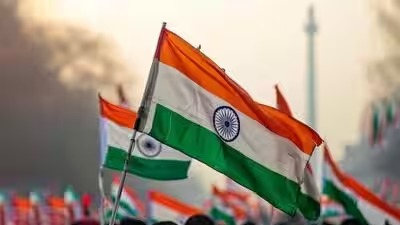
India Independence Day 2026 Begins Another Historic Chapter
India Independence Day 2026 will be celebrated on 15 August 2026, marking the 80th anniversary of India becoming an independent nation. The day falls on a Saturday this year, and celebrations across the country will bring together schools, offices, communities, government institutions, and families. India Independence Day 2026 is not simply another national holiday because it carries decades of history, sacrifice, political change, social development, and national growth.
Every year, August 15 brings back memories of the freedom movement and the people who fought against British rule. From public ceremonies to small school programmes, the atmosphere usually becomes noticeably different during this period. Flags appear across streets and buildings, patriotic songs play in public places, and children participate in cultural activities. The occasion also gives people a reason to think about what independence means in modern India.
Why August 15 Matters So Deeply
India gained independence from British colonial rule on August 15, 1947, after a long freedom struggle involving millions of people from different parts of the country. Leaders such as Mahatma Gandhi, Jawaharlal Nehru, Sardar Vallabhbhai Patel, Subhas Chandra Bose, Bhagat Singh, Sarojini Naidu, and many others became important figures within India’s complicated independence movement.
The struggle itself was not limited to one organisation, region, community, or generation. Different movements, protests, revolutionary activities, political campaigns, and public actions contributed to the pressure that eventually ended British rule. The independence movement also included countless ordinary citizens whose names may never appear in textbooks.
That is one reason Independence Day continues to remain important for younger generations. Freedom was not something that arrived overnight through one event. It developed after years of political resistance, public mobilisation, sacrifices, disagreements, and determined efforts across India.
India Celebrates Its 80th Independence Anniversary
The year 2026 has a special numerical significance because India will celebrate its 80th Independence Day. The country completed 79 years of independence in 2025, making 2026 an important milestone in the national calendar.
Eight decades have brought enormous changes to Indian society. The country that emerged from colonial rule in 1947 faced poverty, limited industrial capacity, low literacy levels, food shortages, and major administrative challenges. Building institutions and maintaining democratic governance became huge tasks for the newly independent nation.
Today, India has developed into one of the world’s major economies and has expanded strongly across technology, manufacturing, space research, digital services, infrastructure, education, healthcare, and entrepreneurship. Progress has certainly not been equal everywhere, but the scale of transformation remains significant.
Red Fort Ceremony Remains Central
The main national Independence Day ceremony traditionally takes place at the Red Fort in New Delhi, where the Prime Minister addresses the nation after the ceremonial flag hoisting. The event is watched closely across television channels, online platforms, and social media.
The Red Fort itself carries enormous historical importance because of its connection with India’s past rulers and the colonial period. Over the years, the Independence Day address from this historic location has become one of India’s most recognisable national traditions.
The Prime Minister’s speech generally discusses India’s achievements, challenges, development priorities, national security, economic progress, and future goals. Citizens often follow the speech for announcements involving government programmes, development initiatives, technology, infrastructure, education, and other major national issues.
Schools Bring Independence Day Alive
For children, Independence Day often feels very different from the formal national ceremony in Delhi. Schools usually organise flag-hoisting events, speeches, patriotic songs, dance performances, drawing competitions, quizzes, debates, and cultural programmes.
Students may dress in traditional clothing or colours associated with the national flag. Teachers often explain the history of the freedom movement and encourage children to understand why August 15 is observed every year.
These programmes may appear simple, but they play an important educational role. A short speech about freedom can introduce children to historical personalities, while a classroom discussion can make them think about citizenship and responsibility. Independence Day therefore becomes both a celebration and an opportunity for learning.
Patriotic Celebrations Across Indian Cities
Independence Day celebrations are not limited to New Delhi. Almost every state and union territory organises its own official events, while municipalities, residential communities, colleges, offices, and local organisations conduct smaller programmes.
Public spaces may display the national flag, while markets and commercial areas often use patriotic decorations during the days surrounding August 15. Many people also choose to watch patriotic films, listen to national songs, or participate in community activities.
Digital celebrations have become increasingly common as well. People share Independence Day messages, photographs, short videos, historical information, and creative posts across social media platforms. Some campaigns encourage citizens to display the national flag or learn more about India’s freedom movement.
Freedom Also Means Responsibility Today
Independence Day can sometimes become focused only on celebrations, decorations, and social media posts. Yet the meaning of independence goes considerably beyond those visible activities.
A modern understanding of freedom also involves responsible citizenship. Respecting the rights of other people, following laws, protecting public spaces, supporting education, avoiding misinformation, and contributing positively to society are practical expressions of national responsibility.
India is a huge and diverse country with many languages, cultures, traditions, religions, regions, and lifestyles. Maintaining unity within that diversity remains one of the country’s continuing challenges. Independence Day offers an annual reminder that national progress depends not only on government institutions but also on citizens.
Young Indians Have A Bigger Role
Young people represent a major part of India’s population, making their role in the country’s future especially important. Students, first-time employees, entrepreneurs, researchers, creators, athletes, and professionals are contributing to India’s changing identity.
Technology has also changed how younger Indians interact with the world. Digital payments, artificial intelligence, online education, smartphones, social media, and remote work have created opportunities that were difficult to imagine several decades ago.
At the same time, young Indians face serious challenges involving employment, education costs, competition, misinformation, digital safety, and changing workplace expectations. Independence Day 2026 can therefore become a useful moment for thinking about what kind of country the next generation wants to build.
Celebrating Without Forgetting History
National celebrations can become more meaningful when people understand the history behind them. Independence did not remove every challenge facing India, and the decades afterward have involved both remarkable achievements and difficult periods.
The freedom movement itself contained different political opinions and strategies. Some leaders preferred non-violent mass movements, while others supported revolutionary methods or different approaches to political independence. Understanding those differences gives a more complete picture of India’s journey.
Remembering history does not mean remaining trapped in the past. Instead, historical knowledge can help people understand why certain institutions, rights, traditions, and national symbols matter today.
India Independence Day 2026 And The Future
The 80th Independence Day arrives at a time when India is dealing with opportunities and pressures on several fronts. Artificial intelligence, renewable energy, digital infrastructure, space exploration, manufacturing, climate concerns, education, and employment are likely to remain important areas for the country’s future.
India’s next decades will depend heavily on how effectively it converts economic growth into broader opportunities for citizens. Better education, stronger infrastructure, accessible healthcare, productive employment, environmental protection, and technological innovation will all matter.
For ordinary citizens, national progress can sometimes feel like a distant concept. But smaller actions also contribute to it. Paying attention to civic responsibilities, helping communities, supporting local initiatives, respecting public property, and using technology responsibly can make a practical difference.
Independence Day 2026 Is More Than Celebration
India Independence Day 2026 will be a major national occasion, but its importance extends beyond flag-hoisting ceremonies and patriotic messages. The 80th anniversary provides an opportunity to remember the difficult journey toward freedom while also considering the responsibilities that come with it.
India has changed dramatically since 1947, yet development remains an ongoing process rather than a finished achievement. The future will depend on how citizens, institutions, businesses, educators, and young people respond to new challenges. Celebrating freedom should therefore include remembering sacrifices, recognising progress, and thinking honestly about the work still ahead.
Conclusion: Looking Ahead With Responsibility
India Independence Day 2026 marks eight decades of independence and offers a meaningful opportunity to reflect on the country’s long journey. From the freedom struggle of 1947 to today’s technology-driven economy, India has experienced enormous transformation across many areas. The celebration is naturally about patriotism, but it should also encourage responsibility, unity, education, and constructive participation in society. Every generation receives the country in a different condition and leaves something behind for the next one. The 80th Independence Day can therefore become more than a ceremonial occasion. It can be a reminder that building a stronger India remains everyone’s responsibility.
