Matthew Perry remains one of the most recognisable faces from 1990s and early 2000s television, forever linked in the public mind with Chandler Bing, the quick-witted, commitment-phobic character he played for ten seasons on Friends. Yet those who knew him have long insisted that the man behind the role was far more layered. A new three-part Netflix docuseries, titled The One About Matthew Perry, aims to present that fuller picture. Scheduled for release on October 27, the series arrives nearly three years after the actor’s death and seeks to move beyond both the sitcom icon and the widely reported struggles with addiction.
A Title That Echoes a Familiar Format
The name of the series deliberately echoes the way Friends episodes were titled. That stylistic choice signals both affection for the show that defined Perry’s career and an intention to place his story within a broader personal context. Directed by Emmy-winning filmmaker Mary Robertson, known for her work on projects that examine the complexities of public lives and institutional pressures, the docuseries is produced under the Maxine Productions banner. It positions itself as the first in-depth, definitive documentary examination of Perry’s life told primarily by people who knew him closely.
Rather than relying solely on archival footage or distant commentary, the series draws on firsthand accounts. Central among these is the testimony of Perry’s sister, Mia Perry Bowick, who appears on camera for the first time in this context. Her participation anchors the project in family perspective and private memory.
Seeing the Whole Person
In a statement accompanying the announcement, Mia Perry Bowick explained the personal significance of the project. She described the time it had taken to feel ready to share memories of loving her brother through the full complexity of his life. Her hope, she said, was for audiences to see him as a complete person—not only as the character who made millions laugh, and not only as someone who battled addiction. She spoke of his beautiful heart, generous spirit, and ability to make people feel loved even during difficult periods. The series, in her view, offers an opportunity for deeper appreciation of who he was and the legacy he left.
This framing is central to the documentary’s stated purpose. The official description presents Perry as generous, funny, vulnerable and larger than life, while also examining the battles he fought. It seeks to honour the honesty that became part of his public legacy, particularly his willingness to speak openly about addiction and recovery. By weaving personal recollections with previously unseen family photographs and videos, the series attempts to restore dimension to a figure who was often reduced to either comic brilliance or cautionary tale.
Career Beyond the Sitcom
Although Friends remains the centrepiece of Perry’s public identity, the docuseries is expected to trace a longer arc. It follows his path from emerging comedic performer through the decade-long run of the NBC series and into later work across film, television and stage. Collaborators and longtime friends contribute memories that illuminate both his professional drive and the personal costs that accompanied sustained fame. The series does not isolate the sitcom years as the sole measure of his contribution; instead, it places them within a wider narrative of ambition, humour, vulnerability and resilience.
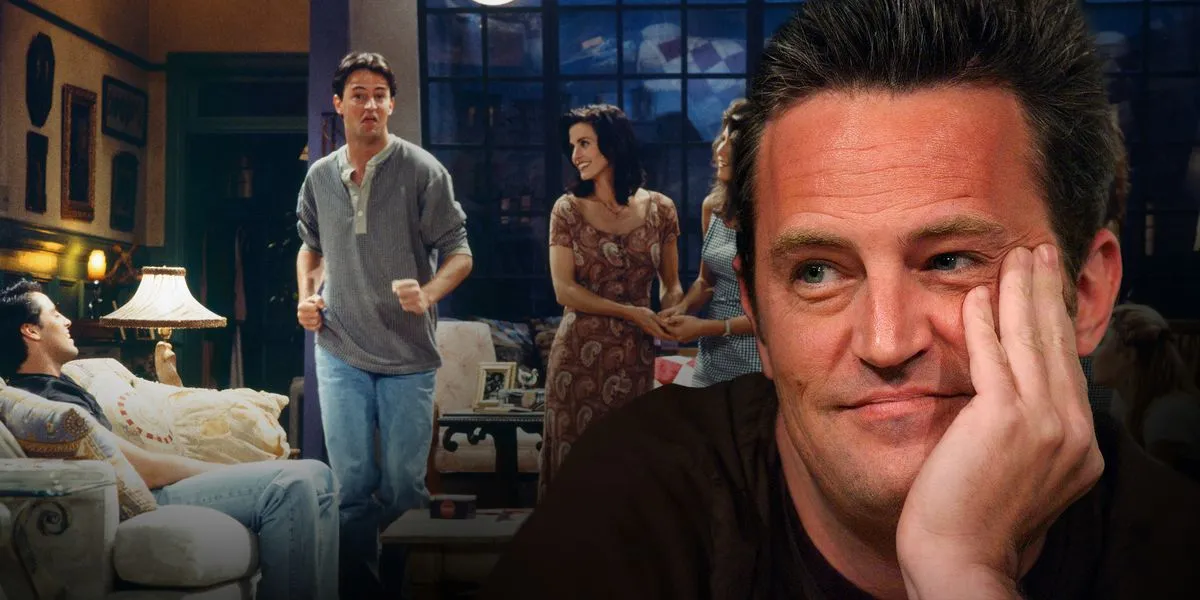
Perry’s ability to generate laughter while conveying emotional undercurrents was widely recognised by audiences and colleagues. The documentary appears designed to explore how that talent developed and how it coexisted with private challenges that intensified over time. In doing so, it treats his career achievements and personal struggles as interconnected rather than separate chapters.
Addressing Struggle Without Defining Him by It
Perry was open during his lifetime about his experiences with substance use and the long process of seeking recovery. That candour earned respect from many who faced similar difficulties and contributed to a public conversation about addiction as a complex, ongoing condition rather than a simple moral failing. The Netflix series acknowledges this aspect of his life and advocacy while deliberately resisting the impulse to let it overshadow everything else.
By including candid new details about his private battles alongside accounts of his generosity, humour and relationships, the filmmakers aim for balance. The goal is not to diminish the seriousness of his struggles or the circumstances of his death in October 2023, which was ruled accidental and attributed to the acute effects of ketamine. Rather, the series seeks to situate those realities within a more complete human portrait.
Family Archives and Intimate Access
A distinctive feature of the project is its access to the Perry family’s private archive. Unreleased photographs and videos provide visual material that has not circulated widely before. Combined with testimony from lifelong friends and creative collaborators, these elements give the series a closeness that retrospective tributes often lack. The result is intended to feel less like a standard celebrity biography and more like a collective act of remembrance by people who experienced different sides of Perry’s personality over many years.
Director Mary Robertson has spoken of Perry as one of the comedic geniuses of his time, noting that his performances helped audiences laugh, connect and feel less alone. She has also emphasised that the public knew only part of his story. The documentary, in her description, exists to let those who knew and loved him reveal the person behind the public figure.
Timing and Cultural Resonance
The October 27 release comes just ahead of the third anniversary of Perry’s death. That proximity may heighten emotional resonance for viewers who continue to feel the absence of both the actor and the character he played. At the same time, the passage of years has created space for reflection that immediate coverage of his passing could not fully provide. Mia Perry Bowick’s readiness to participate suggests that the family has reached a point where sharing feels constructive rather than solely painful.
For audiences who grew up with Friends, the series offers a chance to revisit a familiar presence with new context. For those interested in the realities of addiction, recovery and the pressures of sustained fame, it provides an account grounded in personal testimony rather than speculation. And for anyone curious about the gap between public image and private self, it attempts a careful, human-scale exploration.
The One About Matthew Perry does not promise simple answers or a tidy narrative. Instead, it sets out to honour complexity—the humour and the hurt, the generosity and the struggle, the iconic role and the man who inhabited it. In seeking to present Perry as a whole person, the series aligns itself with the very quality many who knew him most valued: the capacity to see and be seen beyond a single defining story.
Read more – therecipetaste.com , uuploadarticle.com