
Every artwork begins with an idea, but transforming that idea into a finished creation requires creativity, planning, skill, and the right materials. Artists use different techniques and materials to express emotions, communicate messages, and bring their imagination to life.
The process of creating artwork is not simply about choosing colors or using tools. Artists carefully consider the purpose of their work, the feeling they want to create, and the best materials that can represent their vision. From traditional materials like paint and clay to modern digital tools, every choice influences the final result.
Understanding how artists select materials and develop ideas provides insight into the creative process behind paintings, sculptures, digital art, and other forms of artistic expression.
The Beginning of Artistic Creation: Developing an Idea
The creative process usually begins with an idea, inspiration, or observation. Artists often find inspiration from personal experiences, nature, emotions, culture, history, society, or everyday life.
An idea may start as a simple thought, image, feeling, or question. Artists develop these initial concepts through imagination, research, and experimentation.
Before creating a final piece, many artists spend time planning the composition, theme, and message they want to communicate. Some create sketches or notes to organize their thoughts, while others explore ideas through experimentation.
The concept behind an artwork helps guide decisions about materials, techniques, and overall design.
Understanding the Purpose of the Artwork
The purpose of an artwork plays an important role in selecting materials.
Artists consider what they want their audience to experience. A painting designed to create a calm atmosphere may require different colors and textures compared with artwork intended to express strong emotions.
Some artists create artwork for visual beauty, while others focus on storytelling, social messages, personal expression, or cultural representation.
Understanding the purpose helps artists choose materials that support their creative goals.
How Artists Select the Right Materials
Choosing materials is one of the most important decisions in the artistic process.
Artists consider factors such as texture, durability, color quality, flexibility, and the way materials interact with each other.
For example, a painter may choose oil paints because they allow rich colors and detailed blending. Another artist may prefer watercolor because it creates soft, transparent effects.
Sculptors select materials such as wood, stone, metal, or clay depending on the structure and feeling they want to create.
The material itself can influence the direction of the artwork and become part of its meaning.
The Role of Colors in Artistic Expression
Color is a powerful element in visual art. Artists carefully select colors to create emotions, atmosphere, and visual balance.
Different colors can communicate different feelings. Warm colors may create energy and excitement, while cooler shades may create calmness or reflection.
Artists study color relationships to understand how different shades work together. They consider contrast, harmony, brightness, and emotional impact when choosing color combinations.
The choice of colors can completely change how viewers understand and experience an artwork.
Choosing Tools and Techniques
Materials alone do not create artwork. Artists also select tools and techniques that help them achieve their desired results.
Painters may choose different brushes, painting methods, or surfaces depending on their style. Sculptors use specialized tools to shape and refine materials.
Digital artists select software, graphic tablets, and digital techniques to create their work.
The relationship between tools and materials allows artists to control details, textures, and visual effects.
The Importance of Experimentation
Experimentation is a major part of the artistic process.
Many artists test different materials and techniques before creating their final work. Trying new approaches helps them discover unique styles and creative possibilities.
An artist may combine different materials, explore unusual methods, or change their original idea during the process.
Experimentation allows artists to learn from mistakes and develop new ways of expressing their ideas.
Transforming Ideas Through Sketching and Planning
Before creating a final artwork, many artists use sketches or preliminary designs.
Sketching helps artists understand composition, proportions, and placement of important elements.
A sketch provides a visual plan that allows artists to make changes before working with final materials.
However, some artists prefer spontaneous creation and allow ideas to develop naturally during the process.
Both detailed planning and creative exploration can lead to successful artwork.
How Materials Influence Artistic Style
The materials an artist chooses often become part of their unique style.
Different materials create different visual effects and experiences.
A painter using thick layers of paint may create a textured and expressive style, while an artist using digital tools may produce precise and modern designs.
Sculptors working with natural materials may highlight the original qualities of those materials.
Over time, artists develop preferences for certain materials that help define their creative identity.
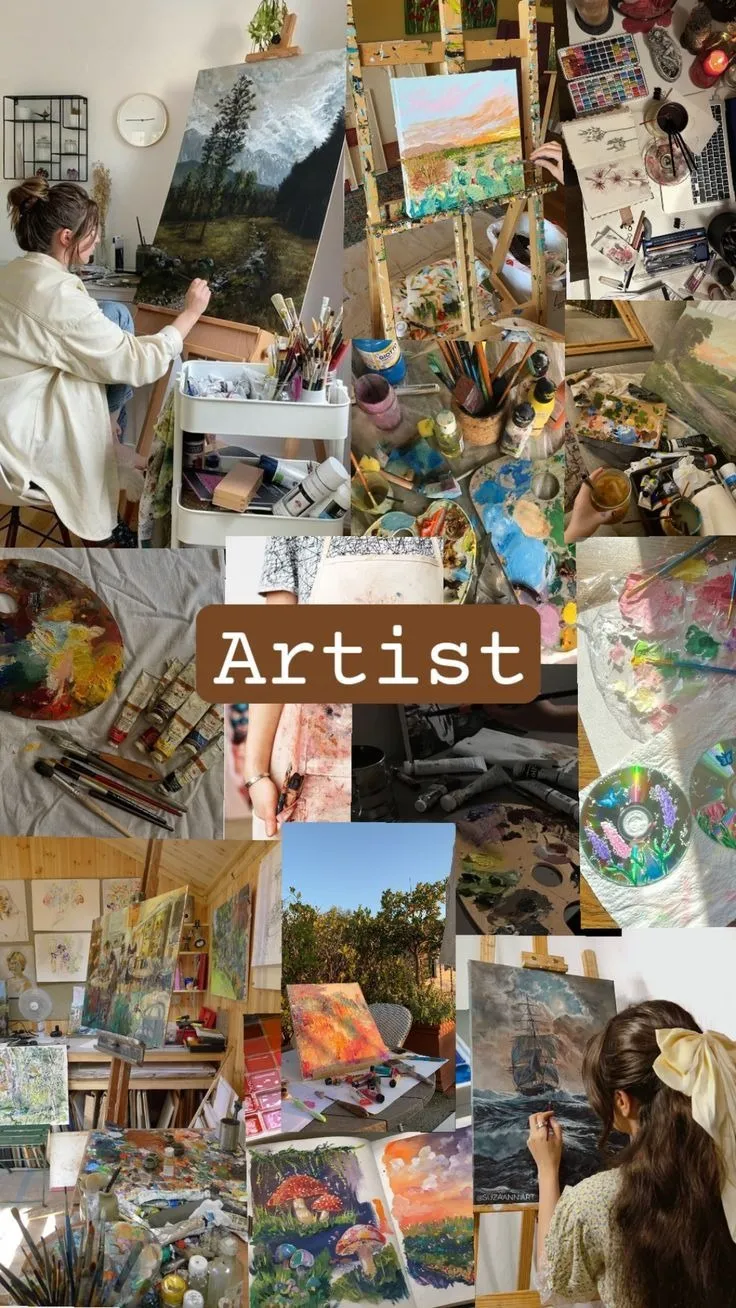
The Role of Skill and Experience
Experience plays an important role in helping artists make better material choices.
Professional artists understand how different materials behave and how techniques affect the final outcome.
Years of practice allow artists to solve creative challenges and improve their ability to express ideas.
However, creativity is not limited to experienced artists. Beginners can also create meaningful artwork by exploring materials and developing their own artistic approach.
Combining Traditional and Modern Materials
Many contemporary artists combine traditional methods with modern technology.
Traditional materials such as paint, paper, fabric, and clay continue to be widely used, while digital tools provide new opportunities for creativity.
Digital art, 3D modeling, and computer-based design have expanded the possibilities of artistic expression.
Artists today often combine different approaches to create innovative forms of artwork.
The Importance of Texture and Material Feel
Texture adds depth and character to artwork.
Artists use different materials to create smooth, rough, soft, or layered surfaces.
Texture can influence how viewers emotionally respond to artwork.
For example, a rough surface may create a sense of strength or natural beauty, while a smooth surface may create elegance and simplicity.
Material choices help artists create visual experiences beyond just images and colors.
Overcoming Creative Challenges
Creating artwork involves challenges such as choosing the right materials, managing mistakes, and transforming abstract ideas into visible forms.
Artists often need patience and problem-solving skills to overcome difficulties.
A material may not behave as expected, or an idea may need adjustment during the creative process.
These challenges are part of artistic development and often lead to unexpected and meaningful results.
The Final Process: Refining and Completing Artwork
After creating the main elements of an artwork, artists focus on refining details.
They adjust colors, improve textures, correct imperfections, and ensure that the final piece represents their original vision.
Some artists spend hours or even months completing a single artwork.
The final stage involves reviewing the work and deciding when it successfully communicates the intended message.
How Artwork Connects Artists and Audiences
Artwork serves as a connection between the creator and the viewer.
Through materials, colors, techniques, and creative choices, artists communicate thoughts and emotions.
Every material choice contributes to the story behind the artwork.
The audience may interpret artwork differently based on personal experiences, making each artistic creation unique.
Frequently Asked Questions (FAQs)
Why do artists choose specific materials?
Artists choose materials based on their creative goals, desired effects, durability, texture, and the message they want to express.
Can materials change the meaning of artwork?
Yes, materials influence the appearance, texture, and emotional impact of artwork, which can affect how viewers understand it.
Do artists always plan their artwork before creating it?
Not always. Some artists carefully plan, while others explore ideas through spontaneous creation and experimentation.
Conclusion
The journey from an artistic idea to a finished artwork involves imagination, planning, experimentation, and careful material selection. Artists choose materials not only for their practical qualities but also for how they help communicate emotions and ideas.
Every brushstroke, texture, color, and material choice contributes to the final creation. Whether using traditional tools or modern technology, artists transform their thoughts into visual experiences that connect with audiences.
Understanding this creative process reveals the skill and thought behind every artwork and shows how simple ideas can become powerful expressions of human creativity.
