
The contemporary art landscape in 2026 reflects a dynamic interplay between technological innovation, material exploration and cultural reflection. Artists and institutions are navigating new creative possibilities while revisiting historical forms, resulting in a rich mix of styles and approaches that define the current moment.
The Resurgence of Surrealism and Dreamlike Imagery
One of the most visible trends is the renewed interest in Surrealism. Dreamlike, mythical and phantasmagorical imagery has regained prominence across exhibitions and collections. Artists are blending ancient myths with contemporary cultural references, creating layered visual narratives that feel both timeless and urgently current. This revival extends beyond painting into immersive installations and mixed-media works that invite viewers into alternative realities.
The return of the surreal coincides with a broader appetite for imaginative escape and psychological depth. Large-scale exhibitions featuring mystical scenes, hybrid figures and magical landscapes have drawn significant public attention, signalling that audiences continue to seek art that expands the boundaries of everyday perception.
Texture, Materiality and the Handmade
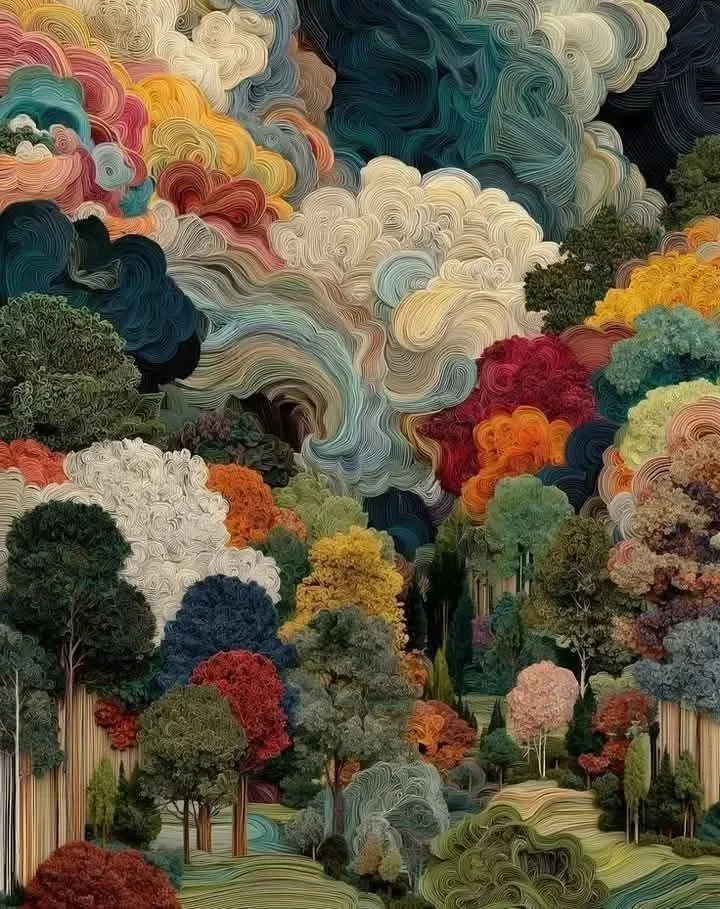
A strong counterpoint to digital proliferation is the emphasis on tactile, handcrafted qualities. Dimensional texture and mixed-media practices are gaining traction, with artists incorporating gold leaf, fabric, layered materials and three-dimensional elements that blur the line between painting and sculpture. Wall works increasingly invite close physical engagement rather than purely visual consumption.
This focus on materiality aligns with a wider institutional interest in craft-based practices such as ceramics and fibre art. Boundaries between fine art and traditional craft continue to dissolve, creating new historical reference points for younger generations of makers. Collectors and curators alike are responding to the authenticity and sensory richness these approaches offer.
Figurative Art and Abstract Realism
Figurative painting remains a dominant force, often combined with elements of abstract realism. Artists are exploring the human form with psychological intensity, addressing themes of identity, vulnerability and cultural hybridity. Some practices lean into “jolie-laide” aesthetics that celebrate imperfection and complexity rather than idealised beauty.
At the same time, abstract approaches grounded in emotional or conceptual realism continue to evolve. These works frequently engage with contemporary social and political conditions while maintaining formal sophistication.
Technology, AI and Digital Horizons
Artificial intelligence and digital tools have become integral to artistic production, yet the relationship remains complex. Many artists treat generative systems as collaborative partners rather than replacements for human creativity. Works that combine AI-generated imagery with gestural painting, interactive installations or programmable digital objects are increasingly common.
Institutions have given digital and machine-made art greater visibility through dedicated fair sections and museum presentations. Questions of authorship, energy consumption and authenticity continue to shape critical discussion. Some artists explore the speculative possibilities of posthuman and bio-art practices, incorporating biological systems, nonhuman intelligence and ecological data into immersive environments.
Sustainability and Ecological Consciousness
Environmental concerns remain central. Artists are developing regenerative approaches that move beyond conventional notions of sustainability. Installations using living materials, recycled elements and scientific datasets prompt reflection on climate fragility and interspecies relationships. These projects often encourage viewers to reconsider human-centred perspectives and imagine alternative futures.
Emerging Voices and Global Perspectives
The year has highlighted a range of emerging and mid-career artists whose practices address migration, technology, identity and cultural memory. Many draw from non-Western traditions while engaging global conversations. Asia-Futurism, for example, has gained renewed energy as artists reclaim narratives of progress and speculative futures from diverse cultural standpoints.
Direct-to-collector sales and more accessible original works are also reshaping market dynamics. Artists are increasingly able to reach audiences without exclusive reliance on traditional gallery structures, fostering greater diversity in who participates in the art ecosystem.
Colour and Aesthetic Directions
Palettes in 2026 favour both grounded earth tones and transformative hues such as teal, violet and ice blue, often set against jewel-toned Baroque influences. Ornament and decorative richness are returning in some quarters, replacing earlier preferences for stark minimalism. Neo-Art Deco geometry and crafted collage approaches further expand the visual vocabulary available to contemporary makers.
Looking Forward
The art world of 2026 is characterised by productive tension: between digital possibility and material presence, between historical revival and future-oriented speculation, between individual expression and collective concern. Artists are responding to a complex cultural climate by expanding the range of techniques, materials and conceptual frameworks at their disposal.
Whether through dreamlike surreal compositions, richly textured mixed-media works, AI-assisted processes or ecologically engaged installations, the defining quality of current practice is a willingness to experiment while remaining grounded in human experience. As institutions, collectors and audiences continue to engage with these developments, the contemporary art landscape remains both reflective and forward-looking.
Read more – Peopleinfoz.com
