
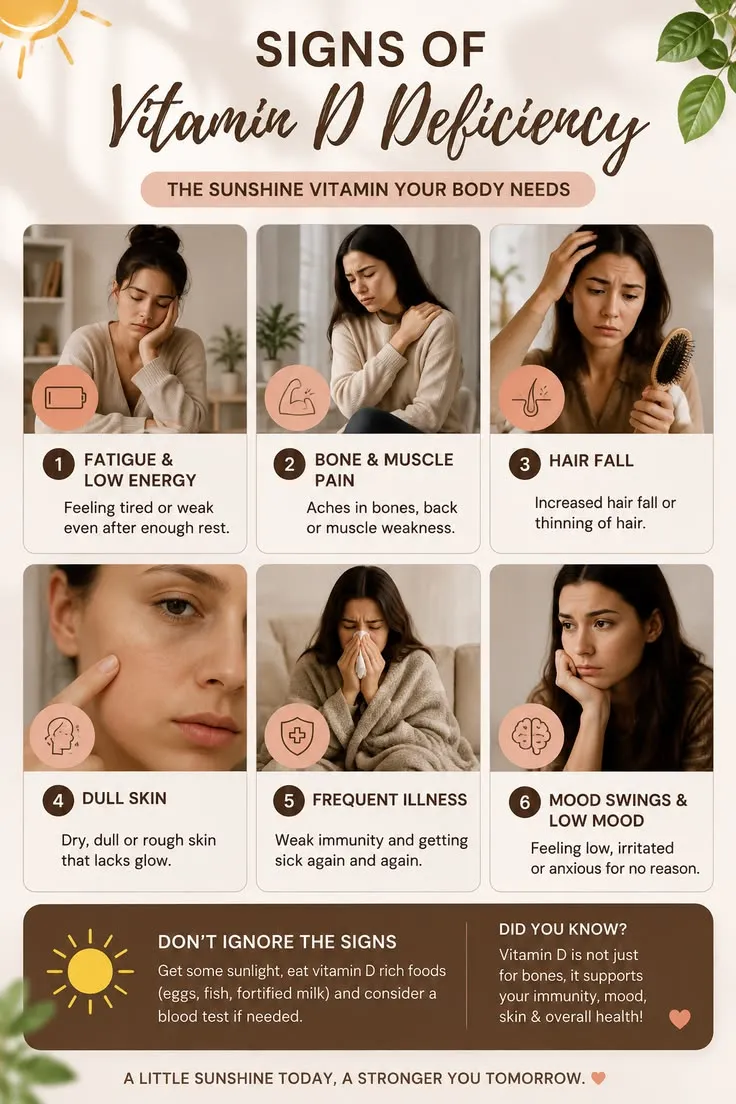
Vitamin D plays a central role in calcium absorption, bone health, muscle function and immune support. When levels fall below the optimal range, the condition is often called vitamin D insufficiency or deficiency. Many people experience it without realising, because early signs can be subtle. Understanding the warning signals, common causes and reliable ways to restore levels helps protect long-term health.
Understanding Vitamin D Insufficiency
Vitamin D status is measured by a blood test that checks 25-hydroxyvitamin D levels. Medical guidelines generally consider levels below 20 nanograms per millilitre suboptimal for skeletal health, with some experts recommending targets above 30 nanograms per millilitre for broader benefits. Insufficiency refers to levels that are lower than ideal but not severely depleted, while deficiency indicates more pronounced shortage.
The body produces vitamin D when skin is exposed to sunlight and also obtains small amounts from certain foods. When production or intake falls short, stores decline. This can affect bone mineralisation, muscle strength and overall well-being.
Common Signs That May Indicate Low Vitamin D
Many individuals with mild insufficiency show no clear symptoms. When signs do appear, they are often nonspecific and can overlap with other conditions. Fatigue is frequently reported, even after adequate rest. Persistent bone pain, particularly in the lower back, hips or legs, may develop. Muscle weakness, aches or cramps, especially in the upper arms and thighs, are also linked to low levels.
Some people notice mood changes, including low mood or increased anxiety. In more severe or prolonged cases, adults may develop osteomalacia, a softening of the bones that increases fracture risk. Children can experience rickets, characterised by delayed growth, bowed legs or other skeletal deformities. Tingling sensations or heightened pain sensitivity sometimes occur.
These symptoms warrant medical evaluation rather than self-diagnosis. A simple blood test can confirm whether vitamin D levels are contributing to the problem.
Main Causes of Vitamin D Insufficiency
Limited sunlight exposure is the most frequent cause. People who spend most of their time indoors, live at higher latitudes, cover their skin for cultural or religious reasons, or use sunscreen consistently may produce less vitamin D. Darker skin pigmentation also reduces the amount synthesised from the same amount of sunlight. Winter months further limit ultraviolet-B radiation in many regions.
Dietary intake is often inadequate because few foods naturally contain significant vitamin D. Those following strict plant-based diets without fortified products face higher risk. Malabsorption conditions such as coeliac disease, Crohn’s disease or the effects of weight-loss surgery can prevent proper uptake of the vitamin from food or supplements.
Obesity can sequester vitamin D in fat tissue, making it less available to the body. Liver or kidney disorders may impair the conversion of vitamin D into its active form. Certain medications and advancing age, which reduces the skin’s ability to produce the vitamin, also contribute.
Practical Ways to Boost Vitamin D Levels
Safe sun exposure remains one of the most effective natural methods. Brief periods of midday sunlight on the face, arms and legs—typically five to thirty minutes several times a week, depending on skin type, location and season—can stimulate production. Longer exposure increases the risk of skin damage, so balance is essential. After the initial period, sunscreen can be applied.
Dietary sources provide useful support. Fatty fish such as salmon, trout, mackerel and sardines rank among the richest natural options. Egg yolks, fortified milk, fortified plant milks, fortified cereals and orange juice also contribute. Certain mushrooms exposed to ultraviolet light contain measurable amounts. Including these foods regularly helps maintain levels, though diet alone rarely corrects significant insufficiency quickly.
Supplements are often necessary when levels are low. Vitamin D3 (cholecalciferol) is generally preferred over vitamin D2 because it raises and maintains blood levels more effectively. Doctors typically recommend a higher loading dose for a limited period when deficiency is confirmed, followed by a lower daily maintenance dose. Common maintenance ranges for adults fall between 800 and 2,000 international units daily, adjusted according to individual needs, body weight and blood results. Self-prescribing high doses is not advised, as excess vitamin D can cause harm.
Lifestyle adjustments work best in combination. Pairing short outdoor time with vitamin D-rich meals and, when indicated, a doctor-recommended supplement usually produces measurable improvement within weeks to a few months. Follow-up blood tests help confirm progress and guide any dose changes.
When to Seek Medical Advice
Anyone experiencing unexplained fatigue, ongoing bone or muscle pain, or mood changes should discuss testing with a healthcare professional. People at higher risk—older adults, those with limited sun exposure, darker skin, obesity, malabsorption disorders or certain chronic conditions—benefit from proactive assessment. Pregnant individuals, infants and people taking medications that affect vitamin D metabolism also require careful monitoring.
Treatment plans are individualised. A doctor will consider the severity of the shortfall, overall health and potential interactions before recommending a specific regimen. Addressing any underlying cause, such as improving absorption or managing related medical conditions, forms part of comprehensive care.
Long-Term Approach to Maintaining Healthy Levels
Once levels improve, consistency matters. Regular safe sun exposure during appropriate seasons, continued inclusion of vitamin D-containing foods and ongoing low-dose supplementation when needed help prevent recurrence. Seasonal changes, shifts in lifestyle or new health conditions may require reassessment.
Vitamin D insufficiency is common yet manageable. Recognising possible signs, understanding the main causes and applying practical, evidence-based remedies allow most people to restore and maintain adequate levels. Professional guidance ensures the approach is both effective and safe, supporting bone strength, muscle function and overall health over time.
Read more – thenumberinfo.com
