
Household budgets across India continue to feel the pressure from elevated prices of everyday protein sources. Eggs, chicken and milk have remained expensive through the summer and into the festive season, and industry assessments suggest that any meaningful relief is unlikely in the near term. While seasonal patterns normally dictate price movements, a combination of weather shocks, soaring feed costs and structural supply constraints has altered the usual cycle this year.
Seasonal Patterns Versus Current Reality
Egg demand and prices typically rise after Diwali as cooler winter weather sets in and continue firm through the spring. Prices usually ease with rising temperatures and humidity in summer and the early monsoon. A sharper dip occurs during the festival period spanning Shravan, Pitru Paksha, Navratri, Diwali and Chhath Puja, when many households reduce or avoid egg consumption for religious reasons.
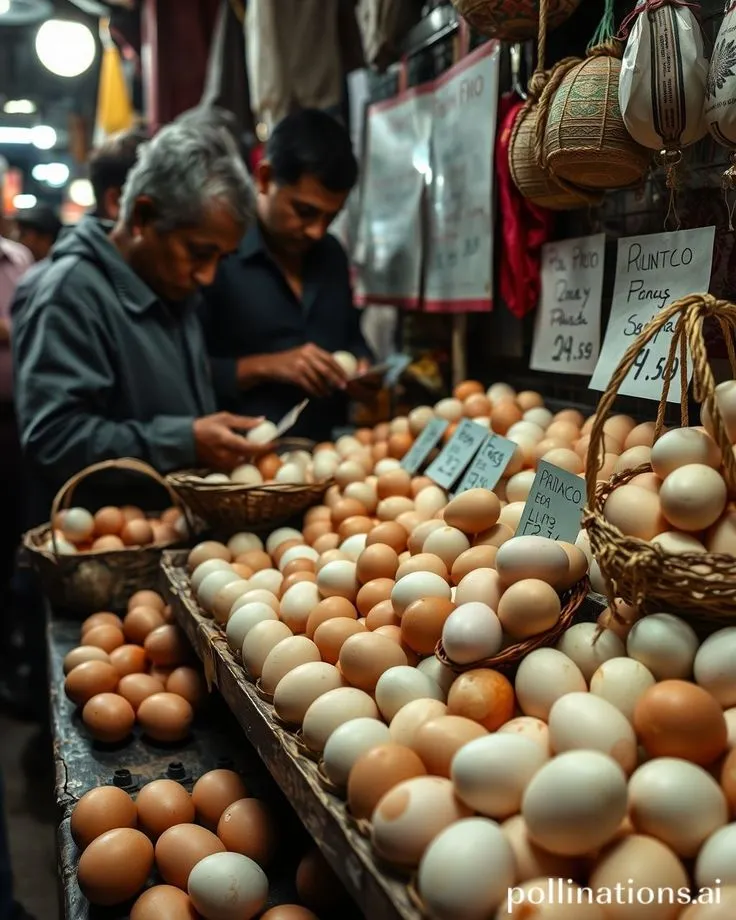
This year the pattern broke. National Egg Coordination Committee suggested prices climbed to Rs 725-730 per 100 eggs even in July, with the monthly average around Rs 670.5 — nearly 39 percent higher than the previous year. Although prices softened somewhat during Shravan, they have stayed elevated. In Delhi, farm-gate rates hover near Rs 600 per 100 pieces, while retail prices range between Rs 7 and Rs 9 per egg depending on packaging. Broiler chicken farm-gate prices, which crossed Rs 150 per kg of live weight in parts of North India during peak summer, have settled around Rs 120 per kg but remain well above comfortable levels for consumers.
Feed Costs: The Dominant Driver
The single largest factor keeping prices high is the sharp rise in poultry and livestock feed costs. Feed accounts for 65-70 percent of the production cost for both eggs and broiler chicken. Over the past four months, layer feed prices have climbed from Rs 24-26 per kg to Rs 30-32 per kg. Broiler feed has moved from about Rs 40 to Rs 46 per kg. As a result, the total cost of producing one kilogram of broiler chicken now stands near Rs 110, squeezing farmer margins even when selling prices appear high.
Maize and soybean meal form the core of poultry feed. Maize provides energy and soybean meal supplies protein. Both have seen sustained price increases. Maize has faced competing demand from the ethanol blending programme, while soybean meal availability has tightened. Industry voices note that domestic production growth of these crops has lagged behind the expansion of the poultry sector, creating a structural imbalance. Until new crop arrivals ease supply or policy interventions improve availability, feed costs are expected to remain elevated.
Weather and Production Setbacks
An extended summer and delayed monsoon linked to El Niño conditions compounded the problem. Water shortages and prolonged heat stress raised bird mortality rates and reduced productivity on layer and broiler farms. Industry estimates point to a 5-7 percent drop in egg production in some periods due to heat alone. In certain regions, the combined impact of heat, disease and stress led to sharper declines in productive bird numbers. Farmers responded by culling older hens earlier than usual and reducing new chick placements, which constrains future supply for several months because replacement birds take time to reach laying age or market weight.
These production cuts mean that even when demand softens seasonally, the supply side cannot respond quickly. Recovery requires not only cooler weather but also the rebuilding of flocks, a process measured in weeks and months rather than days.
Milk Prices Follow a Parallel Path
Milk has faced similar cost pressures. Cattle feed also relies on maize and other grains whose prices have risen. Higher input costs for dairy farmers, combined with seasonal demand fluctuations, have kept retail milk prices firm. Although the dynamics differ slightly from poultry, the shared dependence on costly feed ingredients links the three protein sources. Consumers therefore experience simultaneous pressure across eggs, chicken and milk rather than isolated spikes in one category.
Why Relief Remains Distant
Several factors suggest prices will not fall sharply soon. First, feed costs show limited signs of rapid correction. Even with new harvest arrivals expected later in the season, ethanol demand for maize and overall protein requirements are likely to keep ingredient prices above historical averages. Second, the lag in flock rebuilding means supply will remain constrained through the high-demand winter and spring period. Third, post-Diwali demand traditionally strengthens, which could offset any modest seasonal softening.
Farmers operating on thin margins have little room to absorb further cost increases or to expand production aggressively. Larger integrated players may weather the pressure better, but the overall market remains tight. Calls for temporary imports of soybean meal during lean periods have been raised by industry associations, yet policy decisions on this front remain uncertain.
Broader Implications for Households and Policy
For ordinary consumers, eggs and chicken have long served as relatively affordable sources of animal protein. Sustained high prices risk reducing consumption, particularly among lower-income households, with potential nutritional consequences. Dairy forms an even more essential part of daily diets across large parts of the country.
From a policy perspective, the episode highlights the vulnerability of livestock sectors to weather volatility and competition for feed grains. Balancing the needs of ethanol production, human food security and animal feed requires careful coordination. Strengthening domestic production of maize and soybean, improving storage and logistics, and supporting farmers through periods of cost spikes could help stabilise the sector over the medium term.
Looking Ahead
The current elevation in egg, chicken and milk prices is not a simple seasonal phenomenon. It reflects the convergence of climate stress, feed inflation and supply-side adjustments that will take time to unwind. While some moderation may occur as weather improves and new crops arrive, a return to the lower price levels of previous years appears unlikely in the immediate future. Households and policymakers alike will need to prepare for a period of persistently higher costs for these basic proteins.
Read more – Thepowerfuldua.com , yandex-games.org
